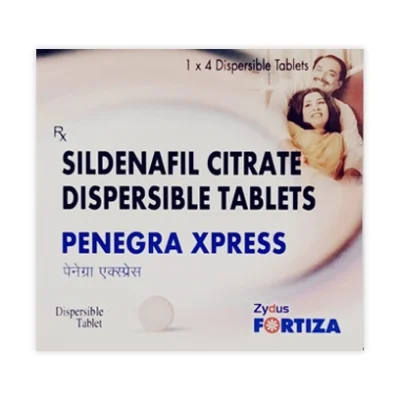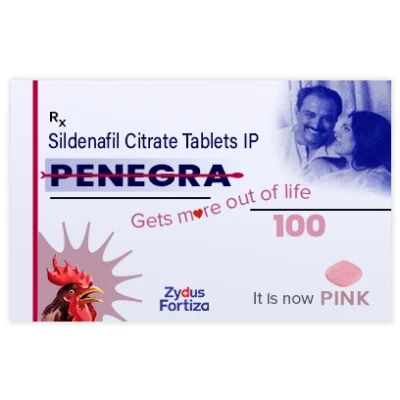



PDE5 inhibitors are a class of prescription medicines used to treat erectile dysfunction (ED) and certain other conditions involving blood flow. Since the first PDE5 inhibitor was approved in the late 1990s, these medicines have become the most widely prescribed oral treatment for ED worldwide. This guide explains what PDE5 inhibitors are, how they work, the different types available, their uses, benefits, side effects, and important safety information.
Whether you have been prescribed a PDE5 inhibitor or are researching treatment options for erectile dysfunction, this article is designed to help you understand the medicine class in clear, accessible language. It is educational and does not replace individual medical advice. Always consult a qualified healthcare provider before starting, stopping, or changing any treatment.
What Are PDE5 Inhibitors?
PDE5 inhibitors are medicines that block an enzyme called phosphodiesterase type 5 (PDE5). To understand what these medicines do, it helps to first understand the enzyme they target.
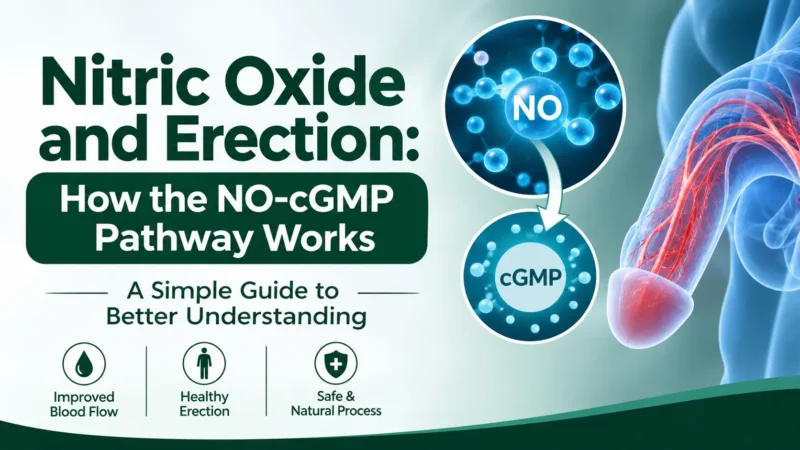
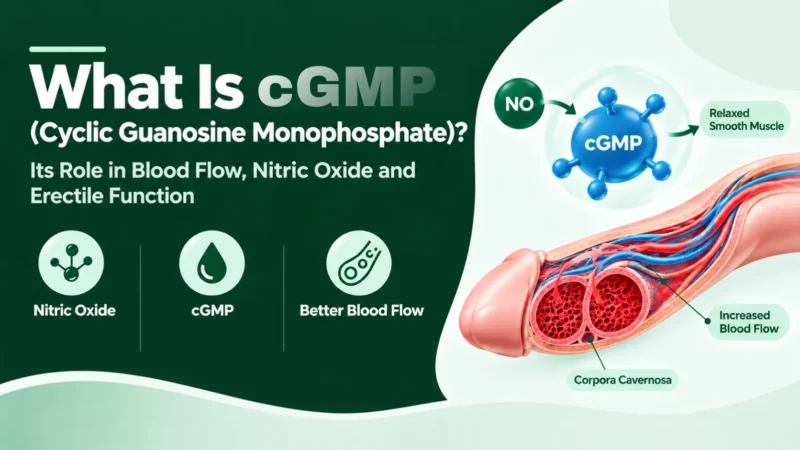
The PDE5 enzyme is found primarily in the smooth muscle of blood vessels, especially in the penis and lungs. Its normal job is to break down a molecule called cyclic guanosine monophosphate (cGMP). cGMP is a “messenger” that signals smooth muscles to relax. When cGMP levels are high, blood vessels relax and widen, allowing more blood to flow through.
Here is the key relationship:
- cGMP tells smooth muscles to relax, which widens blood vessels and increases blood flow
- PDE5 breaks down cGMP, which stops the relaxation signal and returns blood vessels to their normal state
- PDE5 inhibitors block the PDE5 enzyme, which slows the breakdown of cGMP and helps maintain higher cGMP levels for longer
In the context of erectile dysfunction, this means that PDE5 inhibitors help maintain the relaxed state of penile blood vessels during sexual stimulation, supporting increased blood flow that makes it easier to achieve and maintain an erection.
PDE5 inhibitors do not produce cGMP themselves. They simply slow down the enzyme that breaks it down. This is an important distinction because it means the medicine enhances a natural process rather than forcing one to occur.
How Do PDE5 Inhibitors Work?
The mechanism of PDE5 inhibitors is closely tied to the body’s natural erectile response. Here is a step-by-step explanation in plain language:
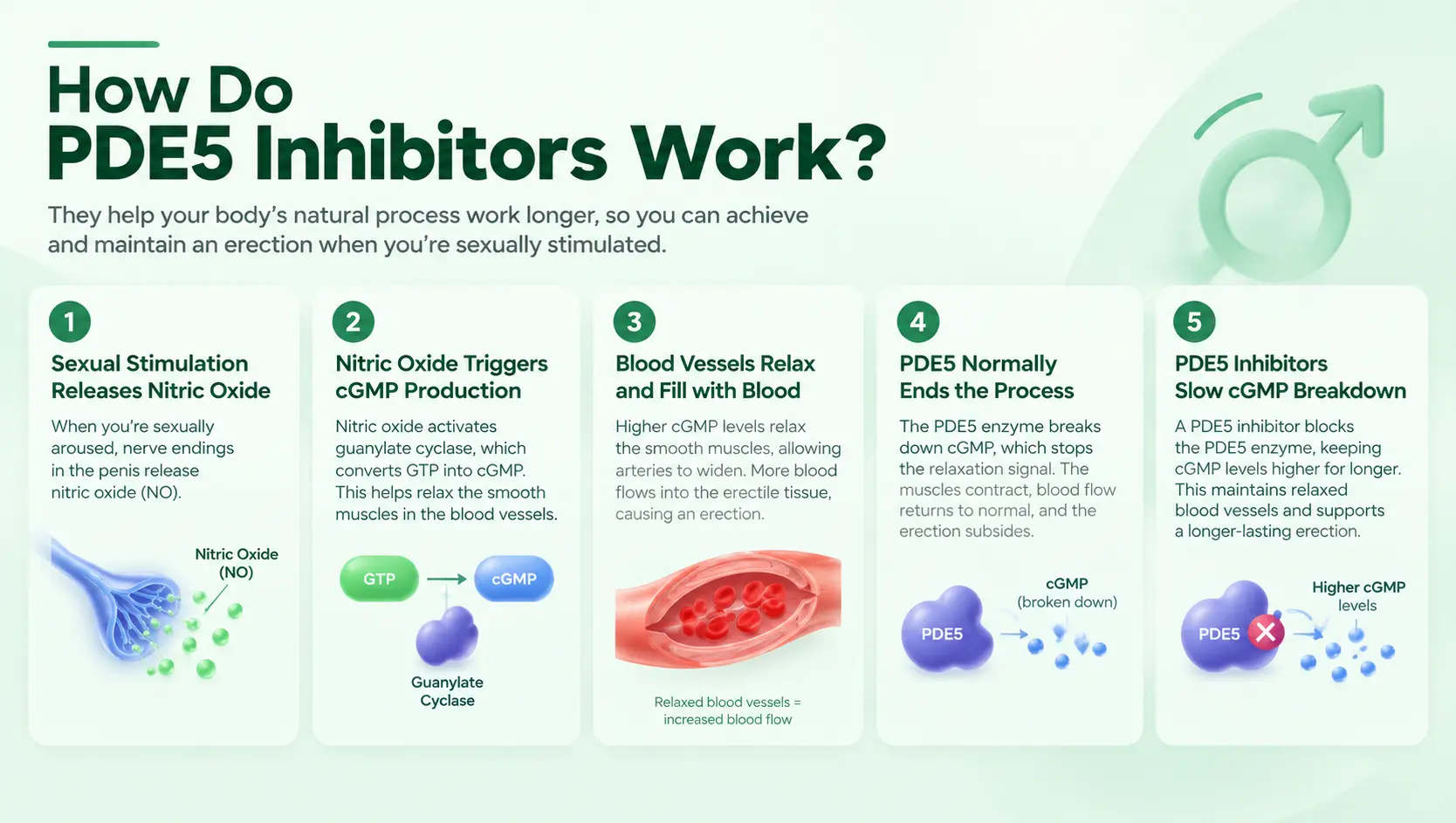
Why Sexual Stimulation Is Still Necessary
This is one of the most important points to understand about PDE5 inhibitors: they do not cause erections on their own. Because they work by enhancing a process that begins with nitric oxide release, sexual stimulation is required for the medicine to work. Without sexual arousal, there is no nitric oxide release, no cGMP production, and nothing for the PDE5 inhibitor to enhance.
PDE5 inhibitors do not increase nitric oxide levels. They do not create sexual desire. They do not force an erection. They simply help the body’s natural erectile response last longer by slowing the breakdown of the messenger molecule that makes it possible.
Simple mechanism summary:
- Sexual stimulation releases nitric oxide
- Nitric oxide triggers cGMP production
- cGMP relaxes smooth muscles, increasing blood flow to the penis
- PDE5 normally breaks down cGMP, ending the erection
- PDE5 inhibitors block PDE5, keeping cGMP levels higher for longer
- Result: improved ability to achieve and maintain an erection during sexual activity
What Are the Different Types of PDE5 Inhibitors?
There are four PDE5 inhibitors currently approved for the treatment of erectile dysfunction. They all work through the same basic mechanism (blocking the PDE5 enzyme and preserving cGMP), but they differ in how quickly they take effect, how long they last, how food affects them, and their chemical structure.
Sildenafil
Sildenafil (Viagra) was the first PDE5 inhibitor to be approved for erectile dysfunction, originally introduced in the late 1990s. It remains one of the most widely recognised and prescribed ED medicines.
- Onset of action: Typically 30 to 60 minutes, though some men may notice effects as early as 14 to 20 minutes
- Duration of action: Approximately 4 to 6 hours
- Food effect: High-fat meals can significantly delay absorption and reduce effectiveness. For best results, sildenafil should be taken on an empty stomach or with a light meal
- Half-life: Approximately 3 to 5 hours
- Dosing: Usually taken as needed, 30 to 60 minutes before sexual activity. Not more than once per day
- Other uses: Sildenafil is also approved for pulmonary arterial hypertension (PAH) under a different brand name (Revatio), at different dosing
Sildenafil is well-studied, with decades of clinical use and safety data. Its shorter duration makes it suitable for men who prefer a defined window of activity rather than a prolonged effect.
Tadalafil
Tadalafil (Cialis) is distinguished from the other PDE5 inhibitors by its significantly longer duration of action. It is sometimes called the “weekend pill” because a single dose can remain effective for up to 36 hours.
- Onset of action: Typically 30 to 60 minutes, with some men reporting effects as early as 16 to 20 minutes
- Duration of action: Up to 36 hours (the longest of any PDE5 inhibitor)
- Food effect: Food does not significantly affect absorption. Tadalafil can be taken with or without food
- Half-life: Approximately 17.5 hours (much longer than sildenafil or vardenafil)
- Dosing: Can be taken as needed (10 to 20 mg before activity) or once daily (2.5 to 5 mg) for men who anticipate regular sexual activity
- Other uses: Tadalafil is also approved for benign prostatic hyperplasia (BPH) at 5 mg daily, and for pulmonary arterial hypertension (PAH) at 40 mg daily (as two 20 mg tablets)
The long half-life of tadalafil means it provides a wider window of flexibility compared with shorter-acting PDE5 inhibitors. Couples do not need to plan intercourse within a narrow 4-hour window. The once-daily option allows for spontaneous sexual activity without timing the dose to each occasion.
Vardenafil
Vardenafil (Levitra) was the second PDE5 inhibitor to be approved. It is chemically similar to sildenafil and has a similar onset and duration profile, though some studies suggest it may work slightly faster in some individuals.
- Onset of action: Typically 30 to 60 minutes, with some reports of effects as early as 16 to 25 minutes
- Duration of action: Approximately 4 to 5 hours
- Food effect: High-fat meals can delay absorption and reduce peak concentration. Moderate-fat meals have less impact. For best results, take on an empty stomach or with a light meal
- Half-life: Approximately 4 to 5 hours
- Dosing: Usually taken as needed, 30 to 60 minutes before sexual activity. Not more than once per day
- Other uses: Vardenafil is primarily used for erectile dysfunction
Vardenafil is available in both film-coated tablet and orodispersible (dissolvable) forms. The orodispersible form may be suitable for men who have difficulty swallowing tablets.
Avanafil
Avanafil (Stendra, Spedra) is the newest of the four PDE5 inhibitors. It was specifically designed to have a faster onset of action and a more selective profile, meaning it targets the PDE5 enzyme more precisely with potentially fewer effects on other enzymes.
- Onset of action: Typically 15 to 30 minutes (the fastest of the four PDE5 inhibitors)
- Duration of action: Approximately 6 hours
- Food effect: High-fat meals can reduce absorption and delay onset. For fastest results, take on an empty stomach
- Half-life: Approximately 1 to 2 hours (shortest of the four)
- Dosing: Usually taken as needed, 15 to 30 minutes before sexual activity. Not more than once per day
- Other uses: Avanafil is primarily used for erectile dysfunction
Avanafil’s rapid onset makes it suitable for men who want a medicine that works quickly, without needing to plan far in advance. However, it has a shorter half-life than tadalafil, meaning the window of activity is shorter.
What Influences PDE5 Inhibitor Choice?
The selection of a PDE5 inhibitor is not a one-size-fits-all decision. Several factors influence which medicine may be most appropriate for an individual. This is an educational overview of the factors clinicians consider, not a self-prescribing tool.
Medical assessment: A healthcare provider first confirms the cause of erectile dysfunction symptoms, reviews current medicines, and assesses cardiovascular health. ED can be an early sign of underlying conditions such as diabetes, high blood pressure, or cardiovascular disease, and these need to be evaluated before treatment begins.
Timing preference: Some men prefer taking a medicine as needed before sexual activity, while others prefer a daily regimen that allows for spontaneity. Tadalafil is the only PDE5 inhibitor available for once-daily dosing for ED.
Food considerations: Meals can affect the onset of some PDE5 inhibitors. Sildenafil and vardenafil are more affected by high-fat meals, while tadalafil is largely unaffected. Men who frequently eat heavy meals before planned sexual activity may find this relevant.
Health and safety: Interactions with other medicines (particularly nitrates and alpha-blockers), blood pressure conditions, liver and kidney function, and other health factors all influence medicine selection. Some PDE5 inhibitors may not be suitable for men with certain cardiovascular conditions.
Treatment response: Effectiveness, tolerability, and personal preference all play a role. If one PDE5 inhibitor does not work well or causes bothersome side effects, a healthcare provider may recommend trying a different one or adjusting the dose.
Outcome: An individualised treatment plan developed with a healthcare professional, not a self-selected choice.
PDE5 Inhibitors Compared
The table below provides a general comparison of the four PDE5 inhibitors. Individual responses vary, and these figures are approximate. Always follow your healthcare provider’s specific guidance.
|
|---|
Key Differences Summarised
- Tadalafil has the longest duration (up to 36 hours) and is the only PDE5 inhibitor available for once-daily dosing for ED
- Avanafil has the fastest onset (as quick as 15 minutes) but a shorter overall window
- Sildenafil is the most well-studied, with decades of clinical data
- Tadalafil is the only PDE5 inhibitor also approved for BPH symptoms
- Sildenafil and tadalafil are also approved for pulmonary arterial hypertension (at different doses and under different brand names)
- All four require sexual stimulation to work and should not be combined with nitrates
What Are PDE5 Inhibitors Used For?
PDE5 inhibitors are used to treat three main conditions. The specific medicine, dose, and dosing schedule differ depending on the condition being treated.
Erectile Dysfunction (ED)
Erectile dysfunction is the primary use for all four PDE5 inhibitors. ED is the persistent inability to achieve or maintain an erection sufficient for satisfactory sexual activity. PDE5 inhibitors help by improving blood flow to the penis during sexual stimulation, making it easier to achieve and maintain an erection.
For ED, PDE5 inhibitors are typically taken either:
- As needed – one tablet before planned sexual activity (sildenafil, tadalafil, vardenafil, avanafil)
- Once daily – a low-dose tablet taken every day for men who anticipate regular sexual activity (tadalafil only)
The maximum recommended on-demand dose varies by medicine: sildenafil up to 100 mg, tadalafil up to 20 mg, vardenafil up to 20 mg, and avanafil up to 200 mg. The starting dose is usually lower and adjusted based on response and tolerability.
Pulmonary Arterial Hypertension (PAH)
Pulmonary arterial hypertension is a condition of high blood pressure in the arteries of the lungs. PDE5 inhibitors help by relaxing the blood vessels in the lungs, reducing pressure and improving blood flow and exercise capacity.
For PAH:
- Sildenafil is approved at a specific PAH dose (20 mg three times daily), marketed under the brand name Revatio
- Tadalafil is approved at 40 mg once daily (taken as two 20 mg tablets), marketed under the brand names Adcirca and Alyq
The doses used for PAH are different from those used for ED, and the products are specifically labelled for PAH. PDE5 inhibitors for PAH should only be used under specialist medical supervision.
Urinary Symptoms Associated with Benign Prostatic Hyperplasia (BPH)
Benign prostatic hyperplasia (BPH) is a non-cancerous enlargement of the prostate gland that can cause urinary symptoms such as frequent urination, urgency, weak stream, and needing to urinate at night.
Tadalafil is the only PDE5 inhibitor approved for the treatment of BPH symptoms. At a dose of 5 mg taken once daily, tadalafil can help relax the smooth muscle in the prostate and bladder, improving urinary flow and reducing BPH symptoms.
Tadalafil is also approved for men who have both ED and BPH, at 5 mg once daily, addressing both conditions with a single medicine.
It is important to note that other PDE5 inhibitors (sildenafil, vardenafil, avanafil) are not approved for BPH. If you are experiencing urinary symptoms related to an enlarged prostate, consult your healthcare provider for an appropriate assessment and treatment plan.
Benefits and Limitations of PDE5 Inhibitors
Benefits
PDE5 inhibitors have transformed the treatment of erectile dysfunction since their introduction. The key benefits include:
- Improved erectile function: Many men with ED experience significant improvement in their ability to achieve and maintain an erection suitable for sexual activity
- Proven effectiveness: Decades of clinical research support the effectiveness of PDE5 inhibitors for ED, with response rates varying by individual and underlying cause
- Oral convenience: Unlike injections, suppositories, or devices, PDE5 inhibitors are taken orally, making them a convenient first-line treatment
- Flexible dosing: Options include as-needed dosing and, for tadalafil, once-daily dosing, allowing treatment to be tailored to individual preferences
- Long duration option: Tadalafil’s 36-hour window provides flexibility that shorter-acting medicines do not
- Fast onset option: Avanafil’s 15-minute onset suits men who want quick action without advance planning
- Additional uses: Tadalafil’s approval for BPH means some men can treat both ED and urinary symptoms with a single medicine
- Well-studied safety profile: With decades of use, the safety profile of PDE5 inhibitors is well understood when used as prescribed
Limitations
Despite their benefits, PDE5 inhibitors have important limitations:
- They do not work for everyone: Response varies by individual and underlying cause of ED. Some men may not achieve adequate results with one PDE5 inhibitor but may respond to another
- Sexual stimulation is required: These medicines do not cause spontaneous erections. Without sexual arousal, they have no effect
- They do not increase libido: PDE5 inhibitors improve blood flow, not sexual desire. Low libido is a separate condition that may require different evaluation and treatment
- They are not a cure for ED: PDE5 inhibitors manage symptoms temporarily. They work only while the medicine is active in the body. Underlying causes (such as diabetes, cardiovascular disease, or psychological factors) need their own assessment and management
- They are not fertility treatments: PDE5 inhibitors should not be described as improving fertility. They address erectile function, not reproductive capacity
- Side effects can occur: Common side effects include headache, flushing, indigestion, and nasal congestion. Some men may experience side effects that limit use
- Drug interactions: PDE5 inhibitors interact with several medicines, most dangerously with nitrates. A full medication review is essential before starting treatment
- Not suitable for everyone: Men with certain cardiovascular conditions, severe liver or kidney disease, or specific eye disorders may not be able to take PDE5 inhibitors
What PDE5 Inhibitors Do Not Treat
To avoid confusion, it is important to clearly state what these medicines do not do:
- They do not increase sexual desire or libido
- They do not cure erectile dysfunction permanently
- They do not treat premature ejaculation (though some men may notice timing changes)
- They do not protect against sexually transmitted infections
- They do not increase penis size
- They do not boost testosterone levels
- They do not improve fertility
- They are not aphrodisiacs
What Are the Side Effects of PDE5 Inhibitors?
Like all prescription medicines, PDE5 inhibitors can cause side effects. Not everyone experiences them, and many side effects are mild and temporary. However, understanding both common and serious side effects is essential for safe use.
Common Side Effects
These side effects are generally mild and tend to resolve as the body adjusts to the medicine:
|
|---|
These common side effects usually do not require medical attention and tend to decrease with continued use. If they persist or become bothersome, speak with your healthcare provider.
Serious Side Effects – Seek Immediate Medical Help
Stop taking the PDE5 inhibitor and seek emergency medical attention if you experience any of the following:
Priapism (prolonged erection lasting more than 4 hours): This is a medical emergency. If an erection lasts longer than 4 hours, whether painful or not, seek immediate medical help. Untreated priapism can cause permanent damage to erectile tissue.
Sudden vision loss in one or both eyes: This could be a sign of a condition called non-arteritic anterior ischaemic optic neuropathy (NAION). Stop the medicine and seek immediate medical care.
Sudden hearing loss or ringing in the ears (tinnitus): Stop the medicine and seek prompt medical attention.
Chest pain or pressure: Especially during or after sexual activity. Stop all sexual activity and seek immediate medical help. Do not take nitrate medicines for chest pain while a PDE5 inhibitor is in your system.
Severe allergic reaction: Swelling of the face, lips, tongue, or throat; difficulty breathing; hives. Seek emergency medical attention immediately.
Irregular heartbeat or palpitations: Seek medical attention promptly.
Fainting or severe dizziness: Can indicate a significant drop in blood pressure. Seek medical attention.
If any of these serious side effects occur, seek immediate medical help or call 000 (the Australian emergency number).
Who Should Not Take PDE5 Inhibitors?
PDE5 inhibitors are not suitable for everyone. Certain medical conditions and medication combinations make these medicines dangerous or inappropriate. A thorough medical review is essential before starting any PDE5 inhibitor.
Absolute Contraindications (Do Not Take PDE5 Inhibitors If…)
You are taking nitrates in any form: This is the most important contraindication. Nitrates are medicines used to treat angina (chest pain) and include:
- Glyceryl trinitrate (nitroglycerin) – tablets, sprays, patches, or injections
- Isosorbide mononitrate and isosorbide dinitrate
- Nicorandil
- Sodium nitroprusside
- Amyl nitrite (“poppers”)
Combining PDE5 inhibitors with nitrates can cause a life-threatening drop in blood pressure. Both medicines lower blood pressure through related pathways (the nitric oxide / cGMP pathway), and combining them can produce a dangerous, potentially fatal, additive effect.
If you take nitrates and develop chest pain after taking a PDE5 inhibitor, you must not take nitrates for at least:
- 24 hours after sildenafil or vardenafil
- 48 hours after tadalafil (due to its longer half-life)
- 12 hours after avanafil
You are taking riociguat: Riociguat (Adempas) is a soluble guanylate cyclase stimulator used for pulmonary arterial hypertension. Combining it with PDE5 inhibitors is contraindicated because both affect the same pathway and can cause dangerous blood pressure drops.
You have had a recent heart attack or stroke: Particularly within the past 6 months (timing varies by medicine).
You have severe low blood pressure or uncontrolled high blood pressure.
You have severe liver disease.
You have certain inherited eye disorders such as retinitis pigmentosa.
You have a history of non-arteritic anterior ischaemic optic neuropathy (NAION).
You are a woman, adolescent, or child under 18 (for ED treatment).
Conditions Requiring Caution (Consult Your Doctor)
PDE5 inhibitors may still be appropriate with careful medical supervision if you have:
- Cardiovascular disease (your doctor will assess whether sexual activity is safe for you)
- Mild to moderate liver impairment (dose adjustment may be needed)
- Kidney impairment (dose adjustment may be needed)
- High or low blood pressure that is controlled
- Bleeding disorders or active stomach ulcers
- Peyronie’s disease (curvature of the penis) or other penile deformities
- Conditions that predispose to priapism (such as sickle cell anaemia, multiple myeloma, or leukaemia)
- Alpha-blocker medication use (for high blood pressure or prostate conditions) – a gap between doses may be needed to avoid low blood pressure
Medication Review
Before starting any PDE5 inhibitor, inform your healthcare provider about all medicines you take, including:
- Prescription medicines
- Over-the-counter medicines
- Vitamins and herbal supplements
- Recreational drugs (including amyl nitrite / “poppers”)
Your doctor needs a complete picture of your medication list to identify potentially dangerous interactions. Some medicines that can interact with PDE5 inhibitors include:
- Nitrates (absolute contraindication)
- Alpha-blockers (risk of low blood pressure)
- Other ED medicines (do not combine)
- Certain antibiotics (erythromycin, clarithromycin)
- Certain antifungal medicines (ketoconazole, itraconazole)
- HIV medicines (ritonavir and others)
- Blood pressure medicines
- CYP3A4 inhibitors and inducers (affect how PDE5 inhibitors are metabolised)
What If PDE5 Inhibitors Do Not Work?
It is not uncommon for PDE5 inhibitors to not work perfectly the first time. Before concluding that treatment has failed, several factors should be reviewed with a healthcare provider.
Review Correct Use
- Timing: Was the medicine taken at the right time before sexual activity? Sildenafil and vardenafil need 30 to 60 minutes; avanafil needs 15 to 30 minutes; tadalafil needs 30 to 60 minutes (or can be taken daily)
- Dose: Was the dose appropriate? Your doctor may adjust the dose up or down based on your response
- Frequency: Was more than one dose taken in 24 hours? (This is not recommended and does not improve effectiveness)
- Sexual stimulation: Was there adequate sexual stimulation? PDE5 inhibitors require arousal to work
Consider Food and Alcohol Effects
- High-fat meals can delay or reduce the effectiveness of sildenafil, vardenafil, and avanafil. Try taking the medicine on an empty stomach or with a light meal
- Alcohol can interfere with effectiveness and increase the risk of side effects such as dizziness and low blood pressure. Limit or avoid alcohol when taking a PDE5 inhibitor
Review Medication Interactions
- Are you taking any medicines that interact with PDE5 inhibitors? Some medicines can reduce effectiveness or increase side effects
- Discuss all current medicines with your healthcare provider
Investigate Underlying Conditions
ED can be a symptom of underlying health issues that may need their own treatment:
- Cardiovascular disease – reduced blood flow from heart or blood vessel conditions
- Diabetes – can damage nerves and blood vessels affecting erectile function
- Low testosterone – hormonal imbalances can contribute to ED
- Psychological factors – stress, anxiety, depression, relationship issues
- Medication side effects – some medicines for other conditions can cause or worsen ED
- Lifestyle factors – smoking, obesity, lack of exercise, excessive alcohol
If an underlying condition is identified, treating it may improve erectile function alongside or instead of PDE5 inhibitor therapy.
Try a Different PDE5 Inhibitor
If one PDE5 inhibitor does not work well or causes bothersome side effects, trying a different one may help. Individual responses vary, and a medicine that does not work for one person may work for another. Your healthcare provider can recommend an alternative.
Consider Alternative Treatment Options
If PDE5 inhibitors are ineffective, not tolerated, or contraindicated, other treatment options include:
- Intracavernosal injections – medicine injected directly into the penis
- Intraurethral suppositories – medicine inserted into the urethra
- Vacuum erection devices – a mechanical device that draws blood into the penis
- Penile implants – surgical insertion of a prosthetic device
- Testosterone therapy – if low testosterone is identified as a contributing factor
- Psychosexual counselling – if psychological factors are significant
- Lifestyle modifications – exercise, weight management, smoking cessation, reducing alcohol
These options should be discussed with a healthcare provider or referred to a specialist (such as a urologist) for further evaluation.
How long do PDE5 inhibitors last?
Duration varies by medicine:
- Sildenafil: Approximately 4 to 6 hours
- Tadalafil: Up to 36 hours (the longest of any PDE5 inhibitor)
- Vardenafil: Approximately 4 to 5 hours
- Avanafil: Approximately 6 hours
These are approximate durations and do not mean a continuous erection for that period. The medicine remains active in the body, making it easier to achieve an erection when sexually stimulated. An erection occurs only with arousal and naturally subsides after sexual activity.
Medical Disclaimer
This article is intended for general educational purposes only and is not a substitute for professional medical advice, diagnosis, or treatment. Always seek the advice of a qualified healthcare provider with any questions you may have about a medical condition or before starting, stopping, or changing any treatment. Never disregard professional medical advice or delay seeking it because of something you have read in this article.
PDE5 inhibitors are prescription-only medicines (Schedule 4) in Australia. They should only be used under the supervision of a qualified healthcare provider who has assessed your individual health circumstances, current medicines, and cardiovascular status.
If you experience an erection lasting longer than 4 hours, sudden vision loss, sudden hearing loss, chest pain, or any other serious symptom after taking a PDE5 inhibitor, seek immediate emergency medical attention or call 000.
This content has not been evaluated by the Therapeutic Goods Administration (TGA). Always consult a healthcare professional before using any prescription medicine. For Australian-specific health information, visit Healthdirect Australia at healthdirect.gov.au or the Therapeutic Goods Administration at tga.gov.au.
Was this article helpful?
Your feedback helps us improve our health guides.
Quick Answers to Your Questions
Find helpful information about our products, ordering process, delivery and more.
01 Are PDE5 inhibitors the same as Viagra?
No. Viagra is the brand name for sildenafil, which is one of four PDE5 inhibitors. The other three are tadalafil (Cialis), vardenafil (Levitra), and avanafil (Stendra / Spedra). All four work through the same basic mechanism, but they differ in onset, duration, food interactions, and dosing options. Viagra (sildenafil) was the first PDE5 inhibitor approved and is the most well-known, but it is not the only option.
02 Do PDE5 inhibitors increase libido?
No. PDE5 inhibitors do not increase sexual desire or libido. They work by improving blood flow to the penis during sexual stimulation, not by boosting sexual desire. Low libido and erectile dysfunction are separate conditions that can coexist but require different approaches. If you have low sexual desire, discuss this with your healthcare provider, as the cause may be hormonal, psychological, or relationship-related.
03 Can PDE5 inhibitors be taken daily?
Tadalafil is the only PDE5 inhibitor approved for once-daily dosing for erectile dysfunction, at a low dose of 2.5 mg or 5 mg. This regimen maintains steady levels of the medicine in the body, allowing for spontaneous sexual activity without timing the dose to each occasion. Daily dosing of other PDE5 inhibitors (sildenafil, vardenafil, avanafil) is not recommended because their shorter half-lives would lead to either inadequate levels or excessive accumulation. Tadalafil is also taken daily (5 mg) for BPH symptoms. Always follow your healthcare provider's dosing instructions.
04 Are PDE5 inhibitors safe for everyone?
No. PDE5 inhibitors are not safe for everyone. They are contraindicated for people taking nitrates, riociguat, or those with certain cardiovascular conditions, severe liver or kidney disease, specific eye disorders, or a history of certain conditions. They are also not for use by women or children. A thorough medical assessment by a qualified healthcare provider is essential before starting any PDE5 inhibitor. When used as prescribed by appropriate candidates, PDE5 inhibitors have a well-established safety profile supported by decades of clinical data.
05 Can PDE5 inhibitors cure erectile dysfunction?
No. PDE5 inhibitors manage the symptoms of ED temporarily. They work only while the medicine is active in the body. They do not cure the underlying causes of ED, which may include cardiovascular disease, diabetes, psychological factors, or medication side effects. In some cases, addressing the underlying cause (such as improving blood sugar control, managing stress, or adjusting other medicines) may improve erectile function. PDE5 inhibitors are a treatment, not a cure.