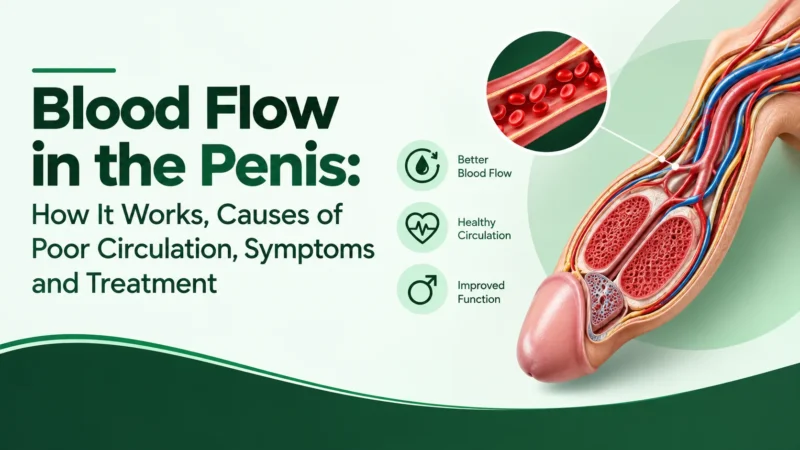


Blood circulation is the foundation of normal penile function and erections. An erection is not a simple event, it depends on coordinated activity involving the brain, nerves, blood vessels, smooth muscles, and erectile tissue working together in a precise sequence. When any part of that sequence is disrupted, erection quality can suffer, and understanding why that happens starts with understanding how blood flows through the penis.
This article answers the most important questions men have about penile circulation: how blood flow enters the penis, what happens during an erection, what can interfere with healthy circulation, how doctors investigate erection difficulties, and what treatment options may help. We also look at the connection between penile blood flow and heart health, the role of lifestyle factors, and when to seek medical advice.
It is important to clarify from the beginning that erectile dysfunction (ED) can have vascular, neurological, hormonal, medication-related, and psychological causes. A change in erection quality does not automatically prove poor blood flow. Many men who experience ED have a combination of contributing factors, and identifying the right one requires proper medical evaluation rather than self-diagnosis.
Penile blood flow, in simple language, refers to the movement of blood through the arteries, tissues, and veins of the penis. Healthy circulation is essential for delivering oxygen and nutrients to penile tissue, and it plays a central role in the ability to develop and maintain an erection. Common vascular risk factors, including diabetes, high blood pressure, smoking, and cardiovascular disease — can gradually impair this circulation and contribute to erection difficulties.
Persistent erection difficulties deserve medical evaluation. This article offers practical advice and evidence-based information, but it does not promise instant or guaranteed improvement. The goal is to help you understand how penile circulation works, what can go wrong, and what steps you can take with the guidance of a healthcare professional to support your sexual health.
What Is Blood Flow in the Penis?
Understanding penile blood circulation
Blood travels to the penis through arteries that branch from the body’s wider cardiovascular system. Once it arrives, it circulates through the erectile tissues, delivering oxygen and nutrients, and then returns through veins back to the general circulation. Penile circulation is not a separate system, it is part of the same network that supplies blood to every organ in the body, which is why the health of your blood vessels matters so much for erectile function.
Healthy blood vessels are necessary for normal erectile function because they must be able to widen and relax quickly to allow a surge of blood into the penis when needed. Blood circulation also supports the ongoing health of penile tissue by delivering the oxygen and nutrients that keep erectile tissue functional and resilient. When circulation is chronically impaired, the tissue itself can be affected over time, not just the ability to achieve an erection.
Circulation changes significantly between the flaccid and erect states. In the flaccid state, arterial inflow is relatively low and venous drainage is open, allowing blood to flow in and out freely. During an erection, arterial inflow increases dramatically while venous drainage becomes temporarily restricted, trapping blood within the erectile tissue to create firmness. Normal circulation is therefore important not only for sexual performance but for maintaining the health of the erectile tissue itself.
What is the relationship between blood flow and erections?
An erection occurs when nerve signals and chemical messengers cause the erectile tissue to relax and fill with blood. The penis becomes firm when blood inflow increases and the normal venous drainage mechanism becomes restricted, allowing blood to be retained within the erectile chambers. This process requires both increased blood inflow and effective blood retention — the two work together.
It is important to distinguish between increased blood inflow and blood retention. A surge of arterial blood is necessary to start the erection, but if the blood simply flows straight back out through the veins, the erection will not be maintained. Both components filling and trapping must work properly for a functional erection.
Circulation alone does not explain every erection. Sexual arousal and physical stimulation initiate the process through nerve pathways, and psychological factors such as stress, anxiety, or distraction can interrupt the signalling chain even when the blood vessels themselves are healthy. This is why difficulty getting an erection differs from difficulty maintaining one — they can have different underlying mechanisms.
An erection problem can occur even when the major penile arteries are not significantly narrowed. Nerve damage, hormonal imbalances, medication side effects, or psychological factors can all interfere with the erection process without there being a structural problem with the arteries. This is why a thorough medical assessment is essential rather than assuming that every erection problem is a blood-flow problem.
What does healthy penile blood flow mean?
Healthy penile blood flow is best described in terms of coordinated vascular, neurological, and muscular responses rather than a single blood-flow number that can be measured at home. It involves several components working together:
- Adequate arterial blood supply: The arteries must be able to deliver enough blood to the erectile tissue when needed.
- Appropriate relaxation of erectile tissue: The smooth muscle within the erectile chambers must relax to allow blood to flow in and fill the tissue.
- Effective temporary restriction of venous outflow: The veins must be compressed sufficiently to retain blood within the erectile tissue during the erection.
- Normal nerve signalling: The brain, spinal cord, and peripheral nerves must communicate effectively to trigger and sustain the process.
- The ability to develop and maintain an erection: All of these components must work together in the appropriate circumstances, when sexual stimulation occurs.
There is no single home observation that can confirm normal penile circulation. Morning erections, for example, can vary naturally and are not a definitive test. A healthcare professional uses a combination of history, examination, and — when clinically indicated — specialised tests to assess whether circulation is contributing to erection difficulties.
Anatomy of the Penis and Its Blood Supply
The main internal structures involved in penile blood flow
To understand how blood flow creates an erection, it helps to first understand the key anatomical structures of the penis. Each structure plays a specific role, and they work together rather than functioning independently.
Corpora cavernosa: These are the two main erectile chambers that run along the length of the penis. They are spongy tissues that fill with blood during an erection, expanding to create firmness and rigidity. The corpora cavernosa are the primary structures responsible for the mechanical strength of an erection.
Corpus spongiosum: This is erectile tissue that surrounds the urethra. It does not become as rigid as the corpora cavernosa during an erection, which is important — it helps keep the urethral passage open so that semen can pass through during ejaculation.
Tunica albuginea: This is a tough fibrous covering that surrounds the corpora cavernosa. It helps support rigidity by restricting the expansion of the erectile tissue and, crucially, by compressing the veins that would otherwise drain blood away during an erection. The tunica albuginea plays a key role in the veno-occlusive mechanism that traps blood inside the erectile chambers.
Urethra: The tube through which urine and semen travel at different times. It runs through the corpus spongiosum and serves dual functions — urinary drainage and the passage of semen during ejaculation.
Smooth muscle: Muscle within the erectile tissue and the walls of blood vessels that regulates filling and relaxation. When smooth muscle relaxes, blood can flow into the erectile chambers; when it contracts, blood is forced out and the penis returns to a flaccid state.
Connective tissue: Structural elements that support penile shape and the mechanics of erection, including the attachment points and fascial layers that maintain the position and alignment of the erectile structures.
These components work together as an integrated system. The arteries deliver blood, the smooth muscle controls whether that blood can enter, the erectile tissue expands to accommodate it, and the tunica albuginea helps trap it. Understanding this coordination is essential for understanding what can go wrong.
Which arteries supply blood to the penis?
The penis receives its blood supply primarily through the internal pudendal artery, a branch of the internal iliac artery. The internal pudendal artery is the most important source of penile blood supply, and it gives rise to several branches that serve different parts of the penile anatomy.
The common penile arterial branches include the deep arteries of the penis, which supply the corpora cavernosa — the main erectile chambers. These deep arteries are critical for delivering the surge of blood needed to create an erection. The dorsal arteries supply structures including the dorsal tissues of the penis, contributing to blood flow in the surface and surrounding areas. The bulbourethral and related branches contribute to the blood supply in the region of the bulb and the corpus spongiosum.
It is worth noting that there is natural anatomical variation in arterial branching. Not everyone has the same arterial layout, and individual vascular anatomy can differ in ways that are clinically relevant. This overview provides a general picture, but a clinician would assess each person’s specific anatomy if vascular issues are suspected.
What role do penile veins play?
Veins carry blood away from the penis. In the flaccid state, venous drainage is open and blood flows freely in and out of the erectile tissue. During an erection, the situation changes dramatically. As the corpora cavernosa expand with blood, they press against the surrounding structures — including the tunica albuginea — and this expansion compresses the subtunical venous plexus, the network of veins beneath the tunica albuginea. This compression effectively restricts venous outflow, helping blood remain within the erectile tissue and maintaining the erection.
When the erection subsides, the smooth muscle contracts, the erectile tissue deflates, and the compression on the veins is released. Venous drainage increases and blood flows back out of the penis, returning circulation to its flaccid-state pattern.
Impaired blood retention may contribute to erection difficulties in some cases. If the veno-occlusive mechanism does not work effectively — because of structural changes, tissue damage, or other factors — blood may not be retained sufficiently, and the erection may be difficult to maintain. However, losing an erection quickly does not automatically mean a structural venous disorder. Many factors can affect how long an erection lasts, and a proper assessment is needed to identify the cause.
How do nerves control penile blood flow?
Penile circulation is regulated partly by the autonomic nervous system and sensory nerve pathways. The autonomic nervous system controls involuntary functions, including blood flow, and it has two main divisions that influence erections in different ways.
The brain processes sexual stimulation — whether from thoughts, visual cues, emotional responses, or physical touch — and sends signals through the spinal cord to the peripheral nerves supplying the penis. The parasympathetic pathways are primarily responsible for initiating an erection. When these pathways are activated, they trigger the release of chemical messengers that relax the smooth muscle and allow blood to flow in. The sympathetic nervous system, on the other hand, is involved in detumescence (the loss of an erection) and other aspects of sexual function, including ejaculation.
Sensory signals from the penis also contribute to sexual responses, feeding back to the brain and spinal cord to maintain and enhance the erection process. This is why physical stimulation plays such an important role.
Damage to the nerves can interfere with this signalling. Diabetes is one of the most common causes of nerve damage affecting erections — diabetic neuropathy can impair the nerve signals needed to initiate and maintain an erection. Other neurological disorders, pelvic surgery (including prostate surgery), and spinal cord injuries can also disrupt the nerve pathways that control penile blood flow, even when the arteries themselves are healthy.
What is the role of the pelvic floor?
The pelvic floor muscles support pelvic function and may contribute to erection maintenance and ejaculation. Two key muscles are relevant: the ischiocavernosus and bulbospongiosus muscles. These muscles are attached to the pelvic bone and the base of the penis, and they play a role in penile rigidity and the mechanics of ejaculation.
It is important to distinguish between pelvic floor muscle function and arterial blood supply. The pelvic floor muscles do not deliver blood to the penis — that is the role of the arteries. Instead, they may help support the mechanical aspects of erection by contributing to rigidity and helping with the expulsion of semen during ejaculation.
Pelvic floor exercises (sometimes called Kegel exercises) may help some people with erectile dysfunction, particularly those whose ED has a component related to pelvic floor muscle weakness or tension. However, pelvic floor exercises are not a universal treatment for vascular disease. If the underlying cause of ED is arterial narrowing or nerve damage, strengthening the pelvic floor alone will not address that problem. A healthcare professional can help determine whether pelvic floor exercises are appropriate for your specific situation.
How Does Blood Flow Cause an Erection? Step-by-Step Explanation
Understanding the erection process in the correct physiological order is one of the most important parts of understanding penile blood flow. An erection is not simply a matter of more blood flowing through the penis — it is a precise, multi-step sequence that involves the brain, nerves, chemical messengers, blood vessels, and erectile tissue working together. Here is how the process unfolds, step by step.
Step 1 — The brain processes sexual stimulation
An erection can be initiated through several types of stimulation: thoughts, visual cues, emotional responses, physical touch, and other sexual stimuli. The brain processes these inputs and begins the cascade of signals that lead to an erection. Communication travels from the brain through the spinal cord to the peripheral nerves that supply the penis.
There are two main types of erection triggers. Psychogenic erections originate in the brain — triggered by thoughts, sights, or emotions. Reflexogenic erections are triggered by physical touch and sensory feedback from the penis, which activates reflex pathways in the spinal cord. Both pathways can contribute to an erection, and they often work together.
Stress, distraction, and anxiety can affect this process at its very first stage. If the brain is preoccupied with worry or unable to focus on sexual stimulation, the signals that initiate the erection cascade may be weakened or interrupted — even when the blood vessels and nerves are otherwise healthy.
Step 2 — Nerve signals initiate chemical signalling
Once the brain and spinal cord have processed the sexual stimulation, nerve signals travel to the nerves supplying the erectile tissue. These nerves help release nitric oxide (NO), a chemical messenger that plays a central role in erectile physiology. Nitric oxide is the key trigger that sets the vascular response in motion.
It is important to distinguish between the nerve signalling and the resulting vascular response. The nerves carry the message, but it is nitric oxide that actually tells the smooth muscle in the blood vessels and erectile tissue to relax. Intact nerves are essential for a normal erection because they are the communication link between the brain and the penis. Neurological injury — from diabetes, surgery, trauma, or other causes — can disrupt this step, preventing the release of nitric oxide and interrupting the entire erection process.
Step 3 — Nitric oxide activates the cGMP pathway
Once nitric oxide is released, it activates an enzyme called soluble guanylate cyclase within the smooth muscle cells of the erectile tissue. This enzyme increases the production of cyclic guanosine monophosphate (cGMP), a signalling molecule that reduces smooth-muscle contraction and promotes relaxation.
In accessible terms: nitric oxide is the messenger, soluble guanylate cyclase is the receiver, and cGMP is the signal that tells the smooth muscle to relax. When cGMP levels rise, the smooth muscle in the walls of the penile arteries and within the erectile tissue relaxes, allowing blood to flow in more freely. This relaxation is what allows the erectile tissue to fill with blood. Every technical term here — nitric oxide, guanylate cyclase, cGMP — plays a specific role, and understanding them helps explain why certain medications (like PDE5 inhibitors) work the way they do.
Step 4 — Smooth muscles relax and penile arteries widen
The relaxation of smooth muscle in the penile arteries and erectile tissue allows blood inflow to increase dramatically. The penile arteries widen, reducing vascular resistance and allowing a surge of blood to enter the erectile chambers. At the same time, the trabecular smooth muscle within the corpora cavernosa — the meshwork of smooth muscle that fills the erectile chambers — also relaxes, creating space for the incoming blood.
The vascular and tissue responses work together. The arteries deliver more blood, and the relaxed erectile tissue creates the space to accommodate it. Without both components — arterial widening and tissue relaxation — the erection cannot develop properly.
Step 5 — The corpora cavernosa fill with blood
As blood enters the erectile spaces within the corpora cavernosa, they expand. This expansion produces the visible changes in penile size and firmness that characterise an erection. The degree of expansion depends on tissue elasticity, the volume of blood entering, and the internal pressure that builds within the erectile chambers.
It is worth understanding that an erection is not simply a case of arteries carrying more blood through a rigid organ. The erectile tissue is spongy and expandable — it actively fills with blood, like a sponge absorbing water. The firmness of the erection depends on how much blood enters and how effectively it is retained, not just on how fast the blood flows in.
Step 6 — Venous outflow becomes restricted
As the corpora cavernosa expand with blood, they press outward against the tunica albuginea and surrounding structures. This expansion compresses the subtunical veins — the veins that run beneath the tunica albuginea and would normally drain blood away from the erectile tissue. This compression is called the veno-occlusive mechanism, and it is essential for maintaining an erection.
The tunica albuginea contributes to rigidity by providing a tough outer covering that limits how far the erectile tissue can expand. As the tissue presses against this covering, the veins are squeezed shut, and blood is trapped within the corpora cavernosa. Effective blood retention is necessary for maintaining an erection — without it, blood would simply flow in and straight back out, and the erection would be lost quickly.
Step 7 — The penis reaches functional rigidity
Continued blood filling, tissue expansion, and restricted venous drainage together create the firmness of a full erection. However, erection hardness can vary. It depends on the balance between arterial inflow and venous outflow restriction, the degree of smooth muscle relaxation, and the integrity of the erectile tissue and tunica albuginea.
Both adequate blood inflow and effective blood retention matter — one without the other is not enough. Nerve signals, hormones, and psychological factors can all affect the overall response, which is why the same person may experience different levels of firmness at different times. There is no single firmness level that independently diagnoses vascular disease; a healthcare professional considers the full clinical picture.
Step 8 — The erection subsides
Detumescence — the return from an erect state to a flaccid state — occurs when the sexual stimulation and nerve signalling that sustained the erection decrease. Changes in autonomic signalling shift the balance from parasympathetic (erection-maintaining) to sympathetic (erection-ending) activity. Smooth muscle tone increases, arterial inflow reduces, and the venous drainage pathways reopen. Blood flows out of the erectile tissue, and circulation returns to its flaccid-state pattern.
This is a normal and healthy part of the erection cycle. The ability to lose an erection after sexual activity is just as important as the ability to achieve one. Problems arise when erections end too quickly during sexual activity or, conversely, when an erection does not subside after four hours — a condition called priapism that requires emergency medical attention.
What happens when one part of the erection process does not work properly?
Each step of the erection process depends on the previous one. When a specific part of the mechanism does not function properly, it can produce a characteristic type of erection difficulty. The table below summarises the possible consequences:
| Physiological problem | Possible consequence |
|---|---|
| Reduced arterial inflow | Erectile tissue may not fill sufficiently |
| Impaired smooth-muscle relaxation | Blood filling may be less effective |
| Difficulty restricting venous outflow | An erection may be difficult to maintain |
| Impaired nerve signalling | The erection response may be reduced |
| Relevant hormonal problems | Sexual desire or erectile function may be affected |
| Psychological stress or anxiety | Arousal and erection responses may be disrupted |
These are possible mechanisms, not a self-diagnostic chart. Several mechanisms can coexist in the same person — for example, a man with diabetes may have both vascular damage and nerve damage contributing to his ED. A healthcare professional considers all potential factors when evaluating erection difficulties.
What Is Poor Blood Flow to the Penis?
Definition of reduced penile blood flow
Poor penile blood flow generally refers to inadequate blood supply to the erectile tissue or a vascular problem that interferes with normal erection function. The phrase is often used informally by patients and in popular health content, but it is not a clinical diagnosis on its own. A doctor would investigate the specific underlying cause rather than simply labelling the problem as “poor blood flow.”
It is important to distinguish between reduced arterial inflow and impaired venous blood retention. Reduced arterial inflow means not enough blood is reaching the erectile tissue — often due to narrowed or damaged arteries. Impaired venous blood retention means blood enters the erectile tissue but is not effectively trapped, causing the erection to be lost quickly. These are different problems with different underlying mechanisms, and they may require different approaches to treatment.
Blood-flow problems can affect erection firmness and duration, but vascular problems differ from nerve-related or hormone-related ED. A nerve problem may prevent the release of nitric oxide, meaning the blood vessels never receive the signal to widen. A hormonal problem may reduce sexual desire, meaning the brain never initiates the arousal cascade. A clinical assessment is necessary to identify which underlying cause — or combination of causes — is contributing to the erection difficulty.
Arterial insufficiency and erectile dysfunction
Arterial insufficiency is a condition in which blood cannot reach the erectile tissue adequately. It typically develops when the arteries that supply the penis become narrowed or damaged, reducing their ability to deliver the surge of blood needed for an erection.
Atherosclerosis — the buildup of fatty deposits (plaque) on arterial walls — is a primary cause of arterial insufficiency. Plaque narrows the arteries and reduces their flexibility, making it harder for them to widen when needed. The same process that affects the arteries of the heart (coronary artery disease) can affect the arteries supplying the penis, which is why ED and cardiovascular disease are closely linked.
Diabetes, hypertension, and smoking are major contributors to vascular damage and can accelerate the development of arterial insufficiency. The condition may develop gradually, which is why many men notice a slow decline in erection quality over months or years rather than a sudden change. Clinicians investigate suspected arterial ED through a combination of history, physical examination, and — when clinically indicated — specialised tests such as penile Doppler ultrasound.
Difficulty retaining blood during an erection
The veno-occlusive mechanism — the process by which expanding erectile tissue compresses the veins and traps blood — is essential for maintaining an erection. When this mechanism does not work effectively, blood may not be retained sufficiently within the erectile tissue, and the erection may be difficult to maintain.
Potential causes of impaired veno-occlusive function include structural or functional abnormalities of the erectile tissue or the tunica albuginea. Erectile tissue damage or fibrosis — scarring within the corpora cavernosa — can reduce the tissue’s ability to expand properly, which in turn reduces the compression on the veins. This can be associated with conditions such as Peyronie’s disease, previous priapism, or age-related tissue changes.
However, losing an erection quickly does not, by itself, prove a venous leak. Performance anxiety, insufficient stimulation, fatigue, and other non-structural factors can all cause an erection to subside. The term “venous leak” is often used loosely, and a proper diagnosis requires specialised testing that is only performed when clinically indicated — not every person with ED needs this type of investigation.
Can poor penile blood flow occur without obvious symptoms elsewhere?
Yes. ED can sometimes appear before other cardiovascular symptoms become noticeable. The arteries supplying the penis are smaller in diameter than the arteries supplying the heart, which means that plaque buildup and narrowing may produce symptoms in the penile arteries before they cause symptoms in the coronary arteries. This is why ED is sometimes described as a potential early warning sign of cardiovascular disease.
However, symptoms alone cannot establish the presence or severity of vascular disease. A man may experience ED without having diagnosed heart disease, but that does not mean his heart is necessarily healthy — it means the question requires proper assessment. Blood pressure, blood sugar, and cholesterol evaluation may be relevant, and persistent ED should prompt an appropriate medical evaluation.
Normal general fitness does not rule out every vascular or neurological cause. A person who exercises regularly and feels healthy can still have underlying vascular disease, nerve damage, or hormonal factors contributing to ED. This is why a healthcare professional considers the full clinical picture rather than relying on outward appearances.
Signs and Symptoms of Poor Blood Flow in the Penis
Difficulty getting an erection
Difficulty achieving sufficient rigidity can be associated with reduced blood inflow, but it may also result from impaired nerve signalling, anxiety, medication effects, or other causes. The key distinction is whether the problem is occasional or persistent. Occasional difficulty — for example, after alcohol, during a stressful period, or when tired — is common and not necessarily a sign of disease. Persistent or recurring difficulty achieving an erection warrants medical evaluation to identify the underlying cause.
Difficulty maintaining an erection
Losing firmness before or during sexual activity is a common complaint. The differences between occasional and recurring difficulties are important — an occasional lapse may reflect fatigue, stress, or distraction, while a recurring pattern suggests a more consistent underlying factor that deserves investigation.
The role of blood retention, stimulation, and psychological factors all interact here. If blood is not effectively retained within the erectile tissue, the erection may subside even with continued stimulation. If stimulation is insufficient or anxiety is present, the nerve signals sustaining the erection may weaken. A clinician may ask whether the problem occurs in every situation or only sometimes — for example, whether morning erections are also affected — to help distinguish between physical and psychological contributors.
Weaker erections than previously experienced
Changes in erection quality over time may warrant assessment, particularly when accompanied by cardiovascular risk factors or other symptoms. A gradual reduction in firmness or rigidity can reflect slowly progressive vascular changes, such as atherosclerosis or the cumulative effects of diabetes. It can also reflect age-related changes in tissue elasticity or hormone levels. When erections become consistently weaker than they used to be, a medical evaluation can help identify whether there is a treatable underlying cause.
Changes in spontaneous and morning erections
Spontaneous erections can occur during sleep, typically during REM (rapid eye movement) sleep. These are influenced by neurological activity, hormone levels, and the sleep cycle. Morning erections — often the last in a series of sleep-related erections — may vary naturally in frequency and firmness.
The presence or absence of morning erections is sometimes used as an informal indicator of whether ED has a physical or psychological cause. The reasoning is that if sleep-related erections are preserved, the vascular and nerve pathways may be intact, and psychological factors may be more prominent. However, this is not a definitive test. Morning erections can vary for many reasons — including sleep quality, age, stress, and medication — and their absence does not automatically prove vascular disease. A clinician considers this information alongside other findings.
Reduced sexual confidence and performance anxiety
Erection difficulties may lead to worry, embarrassment, avoidance of sexual activity, or relationship stress. These psychological effects can create a cycle: an episode of erection difficulty leads to anxiety about future performance, which in turn makes the next erection more difficult to achieve. This cycle can occur regardless of whether the original cause was physical or psychological.
It is important to clarify that these effects do not establish whether the original cause was physical or psychological. A man with vascular ED may develop performance anxiety as a consequence, and a man with primarily psychological ED may benefit from addressing the anxiety directly. In many cases, both physical and psychological factors are present and both need to be addressed.
Are pain, numbness, coldness or colour changes signs of poor blood flow?
These symptoms require context and should not automatically be attributed to reduced circulation. Possible neurological causes of numbness include nerve damage from diabetes, spinal issues, or localised nerve compression. Temperature can temporarily affect penile appearance — cold causes the penis to contract and may make it appear smaller or different in colour, which is a normal physiological response. When persistent colour changes, significant pain, or injury are present, urgent assessment may be needed.
A cold-feeling penis alone cannot diagnose arterial insufficiency. Temperature perception is influenced by many factors, including environmental temperature, circulation to the skin, and individual sensitivity. Persistent or concerning symptoms should be discussed with a healthcare professional rather than self-diagnosed.
Clinical note: Erectile dysfunction is usually defined by persistent or recurring difficulty achieving or maintaining an erection sufficient for satisfactory sexual activity. A single unsuccessful erection does not necessarily indicate a medical disorder. Occasional difficulties are common and may reflect temporary factors such as stress, fatigue, or alcohol consumption.
What Causes Poor Blood Flow in the Penis?
This section explains the mechanism behind every major cause of reduced penile blood flow rather than simply listing risk factors. Understanding how each cause affects the blood vessels, nerves, or tissues of the penis helps explain why erection difficulties develop and why they may worsen over time.
Atherosclerosis and narrowed arteries
Atherosclerosis is the process by which fatty deposits and other changes in the arterial walls narrow or stiffen blood vessels. It develops over time as cholesterol, calcium, and other substances accumulate on the inner walls of arteries, forming plaque. This plaque reduces the diameter of the artery and limits its ability to widen when needed.
The effects on blood-vessel flexibility and blood delivery are significant. A healthy artery can expand to allow a surge of blood through; a stiffened, narrowed artery cannot. When the arteries supplying the penis are affected by atherosclerosis, they may not be able to deliver the volume of blood needed for a full erection.
There is a well-established relationship between coronary artery disease and erectile function. The same atherosclerotic process that narrows the arteries of the heart can narrow the arteries of the penis — and because the penile arteries are smaller, symptoms of reduced blood flow may appear there first. This is why persistent ED may prompt a cardiovascular risk assessment to check for underlying heart disease.
High blood pressure
Long-term hypertension can damage blood-vessel function and contribute to vascular disease. The sustained high pressure within the arteries affects the endothelium — the inner lining of blood vessels — which plays a crucial role in regulating blood flow by releasing nitric oxide. When the endothelium is damaged, this release is impaired, and the blood vessels cannot widen as effectively.
Hypertension is also associated with arterial stiffness, which further reduces the ability of the blood vessels to respond to the signals that trigger an erection. Hypertension and ED can coexist, and in some cases, the medications used to treat high blood pressure may also contribute to erection difficulties. It is essential that prescribed blood-pressure treatment should not be stopped without medical advice — a doctor can adjust the medication or explore alternatives if a connection is suspected.
Diabetes and penile circulation
Diabetes can affect both blood vessels and nerves, making it one of the most significant risk factors for ED. Chronic high blood glucose damages blood vessels throughout the body, including the small vessels that supply the erectile tissue. This small-vessel dysfunction reduces the ability of the arteries to deliver blood to the penis when needed.
Diabetic neuropathy — nerve damage caused by diabetes — can also impair the nerve signals that initiate the erection process. Even if the arteries are relatively healthy, damaged nerves may not release sufficient nitric oxide to trigger the relaxation of smooth muscle and the widening of blood vessels.
The relationship between diabetes duration, overall risk factors, and ED is well documented. The longer a person has diabetes and the less well-controlled their blood sugar, the greater the risk of developing ED. Blood glucose management can form part of an ED treatment plan, alongside other approaches, because improving blood sugar control may help slow further vascular and nerve damage.
High cholesterol
Abnormal blood lipids can contribute to atherosclerosis and broader cardiovascular risk. LDL cholesterol — often called “bad” cholesterol — is a key component of the plaque that builds up on arterial walls. As plaque accumulates, arteries narrow and stiffen, reducing blood flow to the penis.
The importance of looking at an overall lipid profile — including LDL, HDL, and triglycerides — rather than a single cholesterol number cannot be overstated. Cholesterol-related vascular problems may not cause obvious symptoms initially, which is why many men are unaware of their cholesterol levels until they are tested. Cholesterol management supports general vascular health, but it does not guarantee a specific erection outcome — it is one piece of a larger picture.
Smoking and nicotine exposure
Smoking can impair endothelial function and increase cardiovascular risk. The chemicals in tobacco smoke damage the lining of blood vessels, reducing their ability to release nitric oxide and widen when needed. Smoking is also associated with atherosclerosis, accelerating the buildup of plaque in the arteries.
Stopping smoking can be beneficial for vascular health and may help reduce a risk factor for ED. It is also important to recognise that vaping and other nicotine products should not be assumed to be risk-free. Nicotine itself can affect blood-vessel function, and the long-term effects of vaping on vascular health are not yet fully understood. Evidence-based smoking-cessation support is available and can significantly improve the chances of quitting successfully.
Obesity and metabolic syndrome
Excess body weight is associated with hypertension, diabetes, and abnormal lipids — all of which are independent risk factors for ED. Obesity may also contribute through hormonal and inflammatory pathways. Excess fat tissue can alter hormone levels, including reducing testosterone, and chronic inflammation associated with obesity can damage blood-vessel function.
Multiple risk factors may combine to affect erectile function. A person who is overweight, has high blood pressure, and has elevated cholesterol faces a greater cumulative risk than someone with only one of these factors. However, individual assessment is more useful than attributing every case of ED to weight — the underlying cause may be different in each person.
Lack of physical activity
Physical inactivity can contribute indirectly to ED through cardiovascular risk, insulin resistance, and reduced overall fitness. Regular aerobic activity supports the health of the heart and blood vessels, helping to maintain the flexibility and function of arteries throughout the body, including those supplying the penis.
Brisk walking and other moderate aerobic activities are a good starting point. Cycling, swimming, and resistance training can all form part of an overall fitness routine. The key is to start gradually and increase activity according to ability. For people with significant cardiovascular disease or symptoms, seeking medical guidance before beginning strenuous exercise is essential.
Cardiovascular disease
Coronary artery disease, peripheral arterial disease, and other conditions affecting blood vessels can all contribute to ED. When the arteries are diseased, they cannot deliver the blood needed for an erection. This is why clinicians may assess cardiovascular health in men with persistent ED, particularly when other risk factors are present. The connection between heart disease and ED is not coincidental — they share the same underlying vascular pathology.
Nerve damage and neurological disorders
Nerve damage can disrupt erection even when arterial circulation is adequate. Diabetes-related neuropathy is the most common cause, but other neurological conditions can also interfere with the nerve signals needed for an erection. Spinal cord injuries can interrupt the communication between the brain and the penis. Multiple sclerosis and other neurological conditions can affect nerve pathways involved in erection. Pelvic nerve damage after surgery — including prostate surgery — or trauma can also disrupt the nerve supply to the penis.
When nerve damage is the primary cause, the blood vessels may be healthy, but they never receive the signal to widen. This is why some men with nerve-related ED do not respond to PDE5 inhibitors alone — the medication enhances the nitric oxide–cGMP pathway, but if the nerves are not releasing nitric oxide in the first place, there is nothing for the medication to enhance.
Hormonal conditions and low testosterone
Testosterone primarily influences sexual desire and also contributes to normal sexual physiology. Low testosterone may lead to reduced libido, which can indirectly affect erectile function because sexual arousal is the starting point of the erection cascade. However, reduced libido and impaired erection are not the same thing — a man can have normal erections with low desire, or strong desire with impaired erections.
Symptoms that may lead a clinician to investigate low testosterone include reduced sex drive, fatigue, loss of muscle mass, and mood changes. Other endocrine conditions, including thyroid disorders, may also be relevant when clinically suspected. Testosterone treatment requires an appropriate diagnosis and is not a universal ED remedy — it is only effective when a genuine deficiency is present, and it carries its own risks and considerations.
Stress, anxiety and depression
The relationship between mental health, sexual arousal, and erection response is significant. Performance anxiety — worry about achieving or maintaining an erection — can create a self-reinforcing cycle: anxiety interferes with the brain signals that initiate arousal, the resulting erection difficulty increases anxiety further, and the next attempt becomes even harder. Work-related and personal stress can have a similar effect by occupying the brain’s attention and reducing the ability to focus on sexual stimulation.
Depression can reduce sexual interest and affect the brain’s ability to process arousal signals. The cycle of erection difficulty followed by anticipatory anxiety is one of the most common psychological patterns in ED. Counselling and psychosexual therapy can be effective when psychological factors are significant, and they can be relevant even when physical factors also contribute.
Medicines that may affect erectile function
Several classes of medicines may contribute to sexual dysfunction in some people. Certain antidepressants — particularly SSRIs — can affect sexual arousal and orgasm. Some blood-pressure medicines, particularly older beta-blockers and diuretics, may contribute to ED. Antipsychotics and hormonal treatments can also affect sexual function in some individuals.
It is important to understand that effects differ between medicines and individuals. The underlying medical condition being treated may also contribute — for example, depression itself can cause reduced sexual function, making it difficult to separate the effect of the medication from the effect of the condition. Patients should discuss suspected side effects with their prescriber rather than stopping or changing treatment independently. A doctor may be able to adjust the dose, switch to a different medication, or explore other strategies.
Alcohol and recreational drugs
Heavy alcohol consumption can interfere with sexual responses. While small amounts of alcohol may reduce inhibitions, larger amounts depress the central nervous system and impair the nerve signals needed for an erection. Chronic heavy drinking can also damage nerves and blood vessels over time.
Recreational drugs may affect arousal, nerve function, and cardiovascular function. The effects may be temporary or part of a wider health problem. It is also important to avoid unregulated sexual-enhancement substances, which may contain undeclared pharmaceutical ingredients, contaminants, or dangerous compounds.
Sleep problems and obstructive sleep apnoea
Disrupted sleep is associated with cardiovascular risk, hormonal changes, and erectile function. Poor sleep quality can reduce testosterone levels, which is primarily produced during sleep. Obstructive sleep apnoea — a condition in which breathing repeatedly stops during sleep — is associated with cardiovascular disease, hypertension, and ED. Daytime fatigue from poor sleep can also reduce sexual interest. When sleep problems are suspected, a sleep assessment may be appropriate.
Pelvic injuries, surgery and radiation therapy
Injury or medical procedures involving the pelvis can affect penile nerves, blood vessels, or surrounding tissues. Pelvic trauma can damage the arteries or nerves supplying the penis. Prostate surgery and other pelvic surgery may affect the nerve pathways that control erections, even when the surgery is performed carefully. Radiation therapy for prostate cancer can also damage blood vessels and erectile tissue over time. Recovery and rehabilitation considerations depend on the type of injury or procedure, and treatment planning should take the specific circumstances into account.
Age-related changes
ED becomes more common with age, partly because vascular disease and other health conditions become more prevalent as people get older. However, age alone does not make persistent ED inevitable. Many older men continue to have satisfactory erectile function, and treatment options may be available at different ages. The key is to identify and address any underlying health conditions that may be contributing, rather than accepting ED as an unavoidable part of ageing.
The Connection Between Penile Blood Flow and Heart Health
Why penile circulation can reflect vascular health
Erectile function depends partly on the health of blood vessels and the endothelium — the inner lining of arteries that regulates blood flow by releasing nitric oxide. Vascular risk factors can affect circulation in more than one part of the body. The same processes that damage the arteries of the penis can damage the arteries of the heart, brain, and limbs. This is why erectile function is sometimes described as a “window” into the health of the cardiovascular system.
Can erectile dysfunction be an early warning sign of heart disease?
There is a well-recognised association between ED and cardiovascular risk. Because the penile arteries are smaller in diameter than the coronary arteries, plaque buildup and narrowing may produce symptoms in the penis before they cause symptoms in the heart. This means ED may precede noticeable symptoms of some cardiovascular conditions by months or even years.
However, ED is a risk marker, not proof of heart disease. Not every man with ED has underlying heart disease, and not every man with heart disease has ED. When a clinician identifies ED alongside other cardiovascular risk factors — such as high blood pressure, high cholesterol, diabetes, smoking, or a family history of heart disease — they may recommend a cardiovascular risk assessment to evaluate the overall picture.
How diabetes, hypertension and cholesterol affect both systems
The same underlying risk factors may affect systemic circulation and erectile function simultaneously. Diabetes damages blood vessels and nerves throughout the body — including the heart and the penis. Hypertension affects the endothelium of arteries everywhere, reducing their ability to widen. High cholesterol contributes to atherosclerosis in both the coronary arteries and the penile arteries. This shared pathology is why these conditions are relevant to both cardiovascular health and erectile function, and why managing them can benefit both.
When should someone with ED have a cardiovascular check-up?
A cardiovascular assessment for someone with ED may include evaluation of blood pressure, blood glucose or HbA1c, cholesterol and other lipid measurements, and a discussion of smoking, physical activity, and relevant family history. Additional cardiovascular investigations may be recommended when symptoms or overall risk justify them. The decision to investigate is based on the individual’s age, risk factors, and overall clinical picture, and should be made by a healthcare professional.
Can improving heart health also help erections?
Lifestyle changes and treatment of underlying conditions may improve erectile function in some people. Quitting smoking, improving diet, increasing physical activity, managing blood pressure, and controlling blood sugar can all support vascular health, which in turn may benefit erectile function. However, improvement is not guaranteed — other causes of ED, such as nerve damage or psychological factors, may require separate treatment. The American Urological Association identifies ED as a potential marker of underlying cardiovascular disease and recommends appropriate assessment.
How Is Poor Blood Flow to the Penis Diagnosed?
Diagnosis is based on the person’s symptoms, medical history, physical examination, and appropriate investigations. Not everyone needs specialised vascular testing. For many men, a thorough history and basic assessment are sufficient to identify likely contributing factors and guide treatment. More specialised tests are reserved for cases where the cause is unclear, where the ED is complex, or where specific information is needed to guide treatment decisions.
Medical and sexual history
A healthcare professional may ask a range of questions to understand the nature and context of the erection difficulty:
- When the problem started and whether it developed suddenly or gradually.
- Whether erections are difficult to achieve, maintain, or both.
- Whether spontaneous or morning erections still occur.
- Whether sexual desire has changed.
- Relevant medical conditions and previous surgeries.
- Prescription medicines, over-the-counter products, and supplements.
- Smoking, alcohol use, sleep, stress, and relationship factors.
This history helps the clinician distinguish between potential causes — for example, a sudden onset may suggest a psychological trigger, while a gradual decline may suggest a vascular or metabolic cause.
Physical examination
A physical examination may include assessment of blood pressure and general cardiovascular health, genital anatomy and any relevant structural changes, and signs of hormonal or neurological conditions when indicated. Other findings relevant to the person’s symptoms may also be noted. The examination is tailored to the individual’s history and concerns.
Blood tests
Testing is selected according to the clinical situation. Possible tests include HbA1c or blood glucose to assess diabetes, a lipid profile to assess cholesterol and cardiovascular risk, and morning total testosterone when indicated. Additional hormonal, kidney, or other tests may be ordered if symptoms and history justify them.
It is important to clarify that there is no single blood test that measures penile blood flow directly. Blood tests help identify systemic conditions that may be contributing to ED, but they do not provide a direct measurement of circulation within the penis.
Penile Doppler ultrasound
Penile Doppler ultrasound is a specialised test that visualises blood flow in the penile arteries using sound waves. It measures how well blood is flowing through the arteries and can help assess arterial inflow and relevant venous outflow patterns. A medication injection may be used to produce an erection during the examination, which allows the clinician to assess blood flow under the conditions that matter most — when the penis is attempting to become erect.
The procedure is performed and monitored by a trained clinician. There is potential discomfort associated with the injection, and other risks may apply. Results must be interpreted alongside symptoms and clinical findings, not in isolation. This test is not necessary for every person with ED — it is typically reserved for cases where vascular assessment is specifically needed to guide treatment decisions.
Nocturnal erection testing
Specialised monitoring can assess erections during sleep in selected cases. This testing measures whether erections occur during REM sleep, which may help answer particular diagnostic questions — for example, whether the erection pathways are physically intact. However, the test has limitations: it does not independently establish normal penile circulation or rule out every physical cause of ED. It is one piece of information that a clinician considers alongside other findings.
Intracavernosal injection testing
Clinicians may administer medication into erectile tissue to assess erectile response in selected circumstances. The injection tests whether the blood vessels and erectile tissue can respond to a direct chemical stimulus, bypassing the nerve pathways. The response is assessed by the clinician, and appropriate medical supervision is important because of the risk of prolonged erection. Clear aftercare instructions are essential.
When are additional investigations needed?
Specialist assessment may be considered when there is suspected vascular injury, complex ED, unusual clinical findings, or treatment difficulties. For example, a young man with ED that developed after pelvic trauma may warrant specialised vascular imaging. A man who does not respond to standard treatments may need further investigation to identify the underlying cause. The decision to pursue additional testing is made by a healthcare professional based on the individual’s circumstances.
Understanding your test results
Results depend on the test technique and clinical circumstances. An abnormal result must be interpreted by a qualified clinician, not self-diagnosed. A normal result on one test may not explain every symptom. Self-interpreting Doppler measurements or comparing results to online reference ranges is unreliable and can lead to unnecessary worry or false reassurance. Always discuss test results with the healthcare professional who ordered them.
How to Improve Blood Flow to the Penis Naturally
This section distinguishes measures that support overall vascular health from interventions specifically proven to treat ED. Lifestyle changes can improve blood flow and support erectile function in some men, particularly those whose ED has a vascular component. However, not every case of ED will respond to lifestyle changes alone, and some causes require medical treatment. The following measures are recognised components of a broader approach to vascular and sexual health.
Exercise regularly
Physical activity supports cardiovascular health and can help manage the risk factors associated with ED. Brisk walking and other moderate aerobic activities improve blood-vessel function and circulation. Cycling, swimming, and other suitable forms of exercise also contribute to overall fitness. Resistance training can be incorporated as part of an overall fitness routine.
The key is to start gradually and increase activity according to your ability. For people with significant cardiovascular disease or symptoms, seeking medical guidance before beginning strenuous exercise is essential. Regular, sustainable activity is more beneficial than short bursts of intense exercise that cannot be maintained.
Follow a heart-healthy diet
An overall balanced dietary pattern supports vascular health. This includes vegetables and fruit, whole grains, legumes, nuts and seeds, suitable sources of unsaturated fats, and fish and other appropriate protein sources. Limiting excess salt, added sugars, and highly processed foods is also important.
These foods can support cardiovascular and metabolic health, but no specific food is a guaranteed treatment for ED. A heart-healthy diet works by supporting the health of blood vessels throughout the body, including those that supply the penis — not by directly triggering erections.
Maintain a healthy weight where appropriate
There is a relationship between body weight and metabolic risk factors. Excess weight is associated with hypertension, diabetes, and abnormal lipids, all of which can contribute to ED. Gradual, sustainable weight management may support health by reducing these risk factors.
It is important to avoid extreme dieting or unproven sexual-performance plans. Sustainable, evidence-based approaches to weight management are more effective and safer in the long term. Personalised dietary advice from a healthcare professional or dietitian can be valuable when needed.
Stop smoking and avoid nicotine
Smoking cessation supports vascular health and may help reduce a significant risk factor for ED. Quitting smoking improves endothelial function and reduces the progression of atherosclerosis. Practical guidance to seek evidence-based smoking-cessation support — including nicotine replacement therapy, counselling, and prescription medications — can significantly improve the chances of success. Avoiding vaping and other nicotine products is also advisable, as nicotine itself can affect blood-vessel function.
Manage blood pressure, cholesterol and blood sugar
Appropriate monitoring and treatment of these conditions can support long-term vascular health. High blood pressure, high cholesterol, and poorly controlled diabetes all damage blood vessels over time, and managing them effectively may improve or preserve erectile function. Treatment targets and medicines must be individualised by healthcare professionals — what is appropriate for one person may not be for another.
Improve sleep quality
Regular sleep routines support hormonal balance and cardiovascular health. Poor sleep quality can reduce testosterone levels and increase cardiovascular risk. Persistent sleep problems should be evaluated by a healthcare professional, and assessment for possible sleep apnoea is appropriate when symptoms — such as loud snoring, witnessed breathing pauses during sleep, or excessive daytime sleepiness — suggest it.
Manage stress and performance anxiety
Practical approaches to managing stress include relaxation exercises, open communication with a partner when appropriate, and counselling. Psychosexual therapy can be particularly effective for performance anxiety, helping to break the cycle of erection difficulty and anticipatory worry. Stress management does not guarantee improvement in erectile function, but it addresses a factor that can contribute to ED in many men.
Limit alcohol and avoid recreational drugs
These substances may affect sexual function. Heavy alcohol consumption depresses the central nervous system and impairs the nerve signals needed for an erection. Recreational drugs can affect arousal, nerve function, and cardiovascular health. Reducing exposure to these substances may be beneficial for both general health and erectile function.
Review medicines with a healthcare professional
If you suspect that a medication may be contributing to ED, discuss possible side effects and interactions with your prescriber rather than stopping or changing treatment independently. A doctor may be able to adjust the dose, switch to a different medication, or explore other strategies. The underlying medical condition being treated may also contribute to ED, so it is important not to discontinue prescribed medication without proper guidance.
Can pelvic floor exercises help?
Pelvic floor exercises (Kegel exercises) involve strengthening the muscles that support pelvic function, including the ischiocavernosus and bulbospongiosus muscles. These exercises may help some people with erectile dysfunction, particularly those whose ED has a component related to pelvic floor muscle weakness or tension. The exercises target the muscles that contribute to rigidity and ejaculation mechanics.
However, technique matters — performing the exercises correctly is essential for benefit, and guidance from a pelvic floor physiotherapist can be valuable. Pelvic floor exercises cannot reverse every arterial or structural problem. If the underlying cause of ED is arterial narrowing, nerve damage, or tissue fibrosis, strengthening the pelvic floor alone will not address that problem.
How long does it take to notice improvement?
Outcomes depend on the underlying cause, the consistency of lifestyle changes, and any concurrent treatment. For some men, improvements in blood-vessel function may become noticeable over weeks to months of consistent lifestyle change. For others, particularly those with significant vascular disease or nerve damage, lifestyle changes alone may not be sufficient and medical treatment may be needed. Avoid fixed promises such as guaranteed results within seven days — each person’s situation is different, and improvement depends on addressing the specific factors contributing to their ED.
Medical Treatments That Can Help Erectile Dysfunction
Treating the underlying cause
Treatment may focus on the underlying condition contributing to ED. For diabetes, this means blood glucose management. For hypertension, it means blood pressure control. For cholesterol abnormalities, it means lipid management. For relevant hormonal disorders, it means appropriate hormone evaluation and treatment. For medication effects, it means reviewing and adjusting prescriptions. For psychological factors, it means counselling or therapy. In many cases, treating the underlying cause is the first and most important step, and it may improve erectile function without the need for ED-specific treatment.
PDE5 inhibitors and how they work
PDE5 inhibitors are the most commonly prescribed medical treatment for ED. This class of medicines includes sildenafil (Viagra), tadalafil (Cialis), vardenafil (Levitra), and avanafil (Stendra) where approved and available in the relevant jurisdiction. These medications work by supporting the nitric oxide–cGMP pathway that is central to the erection process.
Here is how they work: during sexual stimulation, nitric oxide is released and triggers the production of cGMP, which relaxes smooth muscle and allows blood to flow into the penis. The PDE5 enzyme naturally breaks down cGMP, which can end the erection. PDE5 inhibitors block this enzyme, allowing cGMP to remain active longer and supporting the erection process.
It is important to understand that PDE5 inhibitors help erectile tissue respond to sexual stimulation — they do not directly create sexual desire, and they do not guarantee an erection. Sexual arousal is still required. There are differences in duration of action, onset, suitability, and prescribing instructions between the different PDE5 inhibitors. The correct medicine and dose depend on the individual and should be determined by a healthcare professional.
Important safety information about ED medicines
Common adverse effects may include headache, flushing, nasal congestion, and indigestion, depending on the specific medicine. Potential interactions with other medicines must be considered — for example, PDE5 inhibitors must not be combined with nitrate medicines (used for chest pain or angina) because the combination can cause a dangerous, potentially life-threatening drop in blood pressure. Certain cardiovascular conditions may require assessment before treatment with PDE5 inhibitors. Unregulated or counterfeit medicines can pose serious risks, including incorrect dosing, contamination, and undeclared ingredients. Always obtain ED medicines from a legitimate, licensed source with a valid prescription.
Vacuum erection devices
A vacuum erection device draws blood into the penis by creating a vacuum around it. Once the penis is erect, a constriction ring is placed at the base to help maintain the erection by restricting venous outflow. Correct use is essential — the ring should not be left in place for longer than the recommended time (typically 30 minutes) to avoid tissue damage. Potential side effects include bruising or numbness. Following the manufacturer’s instructions and your healthcare professional’s guidance is important for safe use.
Penile injections and urethral treatments
Certain prescribed medicines can be delivered through injections into the erectile tissue (intracavernosal injections) or through urethral preparations (a small suppository inserted into the urethra) to help produce an erection. These treatments are typically considered when PDE5 inhibitors are not effective or not suitable. Proper training in the injection technique is essential, and side effects may include pain at the injection site, scarring with long-term use, and the risk of prolonged erection (priapism). Urgent assessment is needed if an erection lasts longer than four hours.
Testosterone treatment
Testosterone treatment may be appropriate for selected patients with confirmed deficiency and relevant clinical findings. It is not an automatic treatment for ED or a substitute for investigating vascular causes. Testosterone treatment requires proper diagnosis — including blood tests to confirm low testosterone — and ongoing monitoring. It is not effective for ED when testosterone levels are normal, and it carries risks that must be discussed with a healthcare professional.
Psychological and psychosexual treatment
Counselling, cognitive behavioural approaches where appropriate, and partner-inclusive support can be valuable when psychological factors are significant. Psychological treatment can be relevant even when physical factors also contribute — for example, a man with vascular ED may develop performance anxiety as a secondary issue, and addressing the anxiety can improve overall outcomes. Psychosexual therapy is particularly effective for performance anxiety and relationship-related sexual difficulties.
Surgical treatments and penile implants
Surgical treatments have a limited role in ED management. Selected vascular procedures may be appropriate for a small number of men with specific vascular injuries, such as those resulting from pelvic trauma. A penile implant may be considered when other treatments have not been effective or are not suitable. An implant is a surgical device placed inside the penis that allows the man to create an erection mechanically. The decision to pursue an implant requires specialist discussion of benefits, risks, and alternatives. Invasive treatments are not the first option for most people — they are considered only when less invasive approaches have been tried and have not provided satisfactory results.
How is the right treatment selected?
Treatment decisions depend on the underlying cause, medical history, cardiovascular safety, patient preference, treatment response, and adverse effects. No single treatment is universally best. A healthcare professional considers the individual’s specific circumstances — including the cause of ED, overall health, other medications, and personal preferences — when recommending a treatment approach. Often, a combination of lifestyle changes, management of underlying conditions, and ED-specific treatment provides the best outcomes.
Foods, Vitamins and Supplements for Penile Blood Flow
Which foods support vascular health?
A balanced, heart-healthy dietary pattern includes vegetables, fruit, whole grains, legumes, nuts, seeds, and other nutrient-rich foods. These foods support cardiovascular health by providing fibre, antioxidants, and other compounds that benefit blood flow -vessel function. However, it is important to distinguish between evidence for cardiovascular health and evidence for treating erectile dysfunction directly. While a heart-healthy diet supports the vascular system that supplies the penis, no specific food has been proven to treat ED as a stand-alone intervention.
Can beetroot or nitrate-rich foods improve penile circulation?
Dietary nitrates have physiological effects on nitric oxide pathways. Beetroot and other nitrate-rich vegetables — such as spinach, arugula, and celery — can increase nitric oxide production in the body, which is relevant to the erection process. However, evidence does not establish beetroot as a reliable stand-alone ED treatment. While including nitrate-rich foods in a balanced diet may support vascular health, they should not be relied upon as a treatment for ED in place of evidence-based medical care.
What about L-arginine and L-citrulline?
L-arginine and L-citrulline are amino acids involved in nitric oxide-related pathways. L-arginine is a precursor to nitric oxide, and L-citrulline is converted to L-arginine in the body. Some studies have explored their potential role in supporting erectile function, but the evidence for specific ED outcomes is limited and inconsistent. Supplements can have adverse effects or interact with medicines — particularly blood-pressure medications — and should be discussed with a healthcare professional before use.
Can vitamins improve erection quality?
Correcting a genuine nutritional deficiency may be appropriate. For example, vitamin D deficiency has been associated with ED in some studies, and correcting low levels may help. However, taking additional vitamins without a deficiency is not a proven universal treatment for ED. Routine supplementation with vitamins is not recommended as an ED treatment unless a specific deficiency has been identified through testing.
Do herbal male-enhancement supplements work?
There is significant variation in product quality among herbal male-enhancement supplements. The evidence for many ingredients is limited or inconsistent. Possible interactions with prescription medicines and contamination with undisclosed substances are real concerns. Perhaps most alarmingly, some sexual-enhancement products have been found to contain undeclared pharmaceutical ingredients including sildenafil and tadalafil, which can pose serious risks, particularly for men who take nitrate medications or have cardiovascular conditions. Products promising immediate or permanent results deserve particular caution and should be avoided.
How can readers assess a supplement claim?
Readers should look for reliable human clinical evidence — not just animal studies or anecdotal reports. Transparent ingredient information, relevant regulatory information, and advice from a qualified healthcare professional are all important. Be cautious of products that promise guaranteed results, immediate effects, or permanent changes. If a claim sounds too good to be true, it probably is. Always discuss any supplement you are considering with your healthcare professional, particularly if you take prescription medications or have underlying health conditions.
Normal Penile Blood Flow vs. Potential Warning Signs
Understanding the difference between normal variations and potential warning signs can help you decide when to seek medical advice. The comparison table below provides clear explanations rather than encouraging self-diagnosis.
| Observation | What it may mean |
|---|---|
| Penis size changes with temperature | Often a normal physiological response |
| Visible veins during an erection | Can be normal anatomical variation |
| Erection firmness varies occasionally | May reflect stimulation, fatigue, stress or other factors |
| Repeated difficulty achieving or maintaining an erection | Warrants medical assessment |
| Persistent pain, new curvature or a lump | May require evaluation for an underlying penile condition |
| Sudden severe pain, major swelling, significant injury or concerning discolouration | May require urgent medical assessment |
Why does the penis change size in cold weather?
Temperature-related contraction and relaxation of the penis is a normal physiological response. Cold causes the blood vessels near the surface of the skin to constrict, reducing blood flow to the penis and causing it to contract and appear smaller. This is the body’s way of conserving heat and is completely normal. Appearance alone is not a reliable measure of erectile blood flow — a smaller-looking penis in cold weather does not indicate vascular disease.
Are visible penile veins a sign of poor circulation?
Superficial veins are often normal and their visibility varies from person to person. Some men naturally have more visible veins, and this can change with age, body composition, and the state of erection. A new painful or swollen vein, or other unusual changes, should be assessed clinically. However, the simple presence of visible veins is not, by itself, a sign of poor circulation.
Can penis size indicate blood-flow health?
Flaccid size varies considerably and is influenced by temperature, stress, hydration, and other temporary factors. Size alone cannot diagnose arterial insufficiency or ED. A smaller flaccid penis does not mean blood flow is reduced, and a larger flaccid penis does not mean blood flow is healthy. The relevant measure of penile blood flow is the ability to achieve and maintain an erection during sexual activity, not the size of the flaccid penis.
When should changes in penile appearance be checked?
Persistent changes, pain, injury, new lumps, curvature, and symptoms that affect urination or sexual function should all be discussed with a healthcare professional. Some changes, such as new curvature, may indicate conditions like Peyronie’s disease. Other changes may reflect infections, structural issues, or vascular problems. A medical evaluation can identify the cause and determine whether treatment is needed.
Special Topics About Penile Blood Flow
Blood flow and morning erections
Sleep-related erections occur during REM sleep and are a normal part of the sleep cycle. They reflect neurological activity and blood flow vessel function during sleep. Natural variation in the frequency and firmness of morning erections is common, and the limitations of using morning erections as a diagnostic indicator are significant, their absence does not always mean vascular disease, and their presence does not always rule it out. A clinician considers morning erection patterns alongside other clinical information.
Does masturbation affect penile blood flow?
Normal temporary changes in blood flow occur during arousal and erection, and these are part of the normal physiological response. Ordinary masturbation is not established as a cause of permanent penile blood flow damage. Some myths suggest that masturbation causes ED, but there is no scientific evidence to support this claim. If you experience erection difficulties, the cause is more likely to be related to vascular health, nerve function, hormones, or psychological factors than to masturbation.
Can stress reduce erection quality?
Stress interacts with arousal, autonomic activity, and the erection response in complex ways. When the brain is occupied with stress, it may not process sexual stimulation as effectively, reducing the nerve signals that initiate the erection cascade. Stress can also increase sympathetic nervous system activity, which works against the parasympathetic activity needed for an erection. Managing stress through relaxation techniques, counselling, or lifestyle changes may help improve erection quality in some men.
Does age affect penile blood flow?
Age-related changes in erectile function occur alongside the increasing prevalence of vascular and metabolic conditions. As men age, the likelihood of developing atherosclerosis, hypertension, diabetes, and other conditions that affect blood-vessel health increases. However, ED is not an inevitable consequence of ageing. Many older men maintain satisfactory erectile function, and treatment options are available at different ages. The key is to identify and address any underlying health conditions rather than attributing ED simply to getting older.
Can poor penile blood flow affect fertility?
Erectile function and sperm production are separate processes. ED affects the ability to achieve and maintain an erection, while fertility depends on sperm production and semen quality. ED can make sexual activity or conception more difficult because intercourse may be challenging, but it does not necessarily cause infertility. A man with ED may have perfectly normal sperm production. If fertility is a concern, both erection difficulties and semen quality should be assessed independently.
Can dehydration cause erection problems?
Hydration is part of general health, and adequate hydration supports cardiovascular function. However, dehydration is not a universal explanation for recurring ED. While severe dehydration can temporarily reduce blood volume and potentially affect circulation, this would be an acute situation, not a chronic cause of ED. If you experience persistent erection difficulties, the cause is more likely to be related to vascular health, nerve function, hormones, or psychological factors than to dehydration alone.
Can cycling or prolonged sitting affect penile circulation?
Some cycling positions or prolonged pressure on the perineum (the area between the anus and scrotum) can cause temporary perineal discomfort or numbness in certain people. This is related to compression of the nerves and blood vessels in the perineal region. Appropriate bike fit, using a suitable saddle, taking breaks during long rides, and adjusting riding position can help reduce this pressure. Persistent symptoms should prompt medical assessment rather than assuming that ordinary cycling inevitably causes ED — most cyclists do not develop ED from cycling.
Can poor blood flow cause permanent damage?
The prognosis depends on the underlying condition. Chronic vascular disease can contribute to persistent ED, and long-standing diabetes or atherosclerosis may cause progressive damage to blood flow vessels that is difficult to reverse. However, some causes may improve with treatment, for example, managing blood pressure, controlling blood sugar, and quitting smoking can slow or partially reverse vascular damage. Priapism is a separate emergency in which a prolonged erection lasting more than four hours can damage erectile tissue and requires urgent medical treatment to reduce the risk of permanent damage.
When Should You See a Doctor About Penile Blood Flow?
When to arrange a routine medical appointment
Evaluation is advisable for recurring erection difficulties, gradual deterioration in erection quality, relevant medication concerns, or symptoms accompanied by diabetes, hypertension, or other cardiovascular risk factors. A routine appointment with your primary care doctor is the appropriate first step. They can assess your overall health, identify potential contributing factors, and refer you to a specialist if needed. There is no need to feel embarrassed — ED is a common medical condition, and healthcare professionals are experienced in discussing and evaluating it.
When to seek urgent medical care
It is important to clearly distinguish routine ED from emergencies. The following situations require urgent medical care:
- An erection lasting four hours or longer: This may indicate priapism, a medical emergency that can cause permanent tissue damage if not treated promptly.
- Significant penile or pelvic injury: Trauma to the genital area should be assessed urgently.
- Sudden severe penile pain or swelling: These symptoms may indicate a serious vascular problem or other acute condition.
- Sudden marked discolouration or other symptoms suggesting a serious vascular problem: Significant changes in penile colour or temperature, especially when accompanied by pain, warrant immediate assessment.
For suspected priapism, emergency treatment is important to reduce the risk of permanent damage. Do not wait to see if the erection subsides on its own — seek emergency medical attention immediately.
Which healthcare professional should you consult?
Several types of healthcare professionals may be involved in evaluating and treating ED:
- A primary care doctor or general practitioner: The first point of contact for most men. They can assess overall health, identify risk factors, order initial tests, and begin treatment or refer to a specialist.
- A urologist: A specialist in urinary and reproductive system disorders who can perform specialised tests and offer advanced treatments.
- An endocrinologist: A specialist in hormone disorders who may be consulted when a hormonal disorder, such as low testosterone, is suspected.
- A cardiologist: A heart specialist who may be involved when cardiovascular symptoms or risk assessment warrant specialist care.
- A qualified mental health professional: A psychologist, counsellor, or psychosexual therapist who can help when psychological factors are significant.
How to prepare for an appointment
To make the most of your appointment, record the following information beforehand:
- When your symptoms started and whether they developed suddenly or gradually.
- The frequency and circumstances of your erection difficulties.
- Any associated symptoms, such as changes in libido, morning erections, or urination.
- Current medicines and supplements, including over-the-counter products.
- Relevant medical conditions, surgeries, and family history.
- Questions you want to discuss with the doctor.
Being prepared helps your healthcare professional make a more accurate assessment and develop an appropriate treatment plan.
Medical Disclaimer
This article is educational and does not replace individual medical advice, diagnosis, or treatment. Always consult a qualified healthcare professional before starting, stopping, or changing any treatment, medication, or supplement. Erectile dysfunction can have serious underlying causes, including cardiovascular disease and diabetes, that require proper medical evaluation. If you experience persistent or recurring erection difficulties, seek qualified medical care. For emergency symptoms — including an erection lasting four hours or longer, sudden vision or hearing loss, chest pain, severe penile pain, or significant injury — seek emergency medical assistance immediately.
References and Medical Review
This article draws on the following sources to substantiate its medical claims:
- NIDDK (National Institute of Diabetes and Digestive and Kidney Diseases) — Erectile Dysfunction
- Urology Care Foundation — Erectile Dysfunction: Symptoms, Diagnosis and Treatment
- European Association of Urology — Guidelines on Erectile Dysfunction
- University of Washington Department of Urology — Penile Ultrasound and Doppler
- NHS (National Health Service) — Priapism and emergency warning signs
- American Urological Association — Erectile Dysfunction Guidelines
Medical review: This content has been reviewed for medical accuracy.
Editorial policy: Our product information is researched using evidence-based sources, including clinical guidelines and official medicine regulatory information. We regularly review and update our content. If you believe any information is incorrect, please contact us.
This information is general in nature and does not replace professional medical advice. Always consult a qualified healthcare professional before starting, stopping, or changing any medicine or treatment. Seek emergency assistance for urgent warning signs, including an erection lasting more than four hours, sudden vision or hearing loss, chest pain, or severe allergic reaction.
Was this article helpful?
Your feedback helps us improve our health guides.
Quick Answers to Your Questions
Find helpful information about our products, ordering process, delivery and more.
01 What is blood flow in the penis?
Blood flow in the penis refers to the movement of blood through the arteries, tissues, and veins of the penis. Healthy circulation is essential for delivering oxygen and nutrients to penile tissue and for the ability to develop and maintain an erection during sexual stimulation.
02 How does blood enter the penis during an erection?
During sexual stimulation, nerves release nitric oxide, which triggers the production of cGMP. This relaxes the smooth muscle in the penile arteries and erectile tissue, allowing blood to flow in. As the erectile chambers expand, they compress the veins, trapping blood inside and creating an erection.
03 What causes poor blood flow to the penis?
Common causes include atherosclerosis (narrowed arteries), high blood pressure, diabetes, high cholesterol, smoking, obesity, and cardiovascular disease. Nerve damage, hormonal conditions, stress, certain medications, alcohol, sleep problems, and pelvic injuries can also contribute.
04 How can I tell if my penile blood flow is reduced?
There is no single home observation that confirms reduced penile blood flow. Persistent difficulty achieving or maintaining an erection may warrant assessment, but a healthcare professional is needed to identify the underlying cause through history, examination, and appropriate tests.
05 Can poor blood flow cause erectile dysfunction?
Yes, poor blood flow is one of several possible causes of ED. Reduced arterial inflow or impaired blood retention can make it difficult to achieve or maintain an erection. However, ED can also have neurological, hormonal, psychological, or medication-related causes.
06 What is the difference between arterial insufficiency and a venous leak?
Arterial insufficiency means not enough blood is reaching the erectile tissue due to narrowed or damaged arteries. A venous leak (veno-occlusive dysfunction) means blood enters the tissue but is not effectively retained, causing the erection to be lost quickly. These are different problems that may require different approaches.
07 How can I improve blood flow to the penis naturally?
Lifestyle measures include regular exercise, a heart-healthy diet, maintaining a healthy weight, quitting smoking, managing blood pressure and cholesterol, improving sleep, managing stress, and limiting alcohol. These support vascular health but may not resolve ED on their own if other causes are present.
08 Can diabetes affect penile blood flow?
Yes. Diabetes can damage both blood vessels (small-vessel dysfunction) and nerves (diabetic neuropathy), making it one of the most significant risk factors for ED. Blood glucose management is an important part of an ED treatment plan for men with diabetes.
09 Is erectile dysfunction a warning sign of heart disease?
ED is a recognised risk marker for cardiovascular disease, not proof of heart disease. Because penile arteries are smaller, symptoms may appear there before heart symptoms. If you have ED alongside other cardiovascular risk factors, a cardiovascular risk assessment may be recommended.
10 Can stress affect erection quality?
Yes. Stress and anxiety can interfere with the brain's ability to process sexual stimulation and initiate the erection cascade. Performance anxiety can create a cycle of erection difficulty and anticipatory worry. Counselling and stress management can help.
11 Why do I lose my erection during sex?
Losing an erection during sex can result from insufficient stimulation, anxiety, fatigue, impaired blood retention, or other factors. A clinician may ask whether the problem occurs in every situation or only sometimes to help identify the cause.
12 Are morning erections a sign of healthy circulation?
Morning erections occur during REM sleep and reflect neurological and vascular activity during sleep. Their presence may suggest intact pathways, but they are not a definitive test of penile circulation. Their absence does not always mean vascular disease.
13 Does masturbation damage penile blood flow?
No. Ordinary masturbation is not established as a cause of permanent penile blood-flow damage. Temporary changes during arousal and erection are normal physiological responses.
14 Are supplements for penile blood flow safe?
Supplements vary in quality and evidence. Some may interact with prescription medicines or contain undeclared pharmaceutical ingredients. Always discuss any supplement with a healthcare professional before use, and avoid products promising immediate or permanent results.
15 When should I see a doctor about erection problems?
Arrange a routine appointment for recurring or persistent erection difficulties, gradual deterioration in erection quality, or symptoms accompanied by cardiovascular risk factors. Do not self-diagnose- a healthcare professional can identify the underlying cause and recommend appropriate treatment.