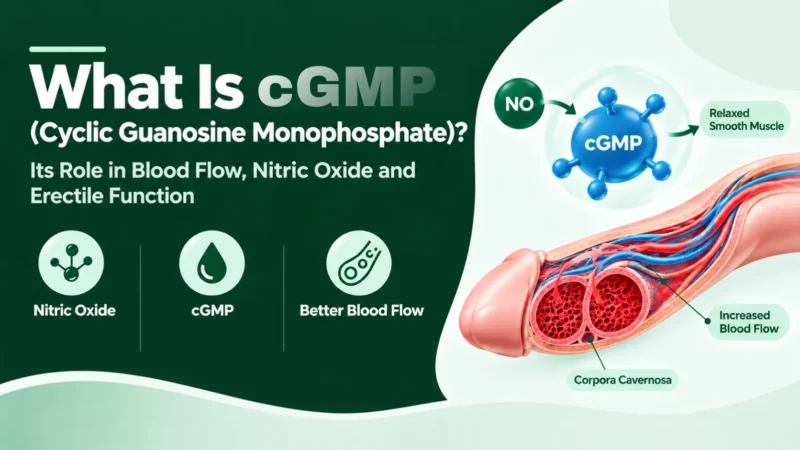


Cyclic guanosine monophosphate, or cGMP, is a naturally occurring signalling molecule found inside cells throughout the human body. It acts as a messenger that carries instructions from outside the cell to the machinery inside it, telling smooth muscles to relax and blood vessels to widen. This tiny but powerful molecule sits at the centre of how your body controls blood flow, blood pressure and erectile function. Understanding cGMP is also the key to understanding how common erectile dysfunction medications work, because every medicine in this class acts on the cGMP pathway. This guide explains what cGMP is, how it is produced, how it works inside the body, and why it matters for vascular health and sexual function.
What Is Cyclic Guanosine Monophosphate (cGMP)?
Cyclic guanosine monophosphate (cGMP) is a small intracellular molecule classified as a second messenger. The abbreviation cGMP stands for “cyclic guanosine monophosphate.” The word “cyclic” refers to the ring-shaped chemical bond that gives the molecule its signalling properties, while “guanosine monophosphate” describes its chemical building block, a nucleotide derived from guanine, one of the bases found in DNA and RNA.
Chemical Structure and Composition
cGMP is synthesised from guanosine triphosphate (GTP), a high-energy molecule available inside cells. When the enzyme guanylyl cyclase acts on GTP, it converts it into cGMP by forming a cyclic ring structure. This ring is what allows cGMP to function as a signalling molecule rather than just a passive cellular component.
Why cGMP Is Called a Second Messenger
cGMP is called a “second messenger” because it relays signals from a “first messenger” outside the cell to targets inside the cell. The first messenger is typically a signalling molecule such as nitric oxide (NO) or a natriuretic peptide that binds to a receptor or enzyme on or inside the cell. The second messenger, cGMP, then amplifies and transmits that signal to proteins and enzymes within the cell, producing a physiological response such as smooth muscle relaxation. cGMP is unique among second messengers because it is the only one whose production is directly stimulated by a gaseous signalling molecule, nitric oxide.
Difference Between cGMP and GMP
GMP (guanosine monophosphate) is a simple nucleotide, one of the building blocks of RNA. cGMP is a cyclic form of GMP, meaning it has a closed ring structure that GMP does not. This structural difference is critical: GMP is a passive cellular component, while cGMP is an active signalling molecule. When cGMP is broken down by the enzyme PDE5, it is converted into inactive 5′-GMP, which stops the signal and allows the cell to return to its resting state.
Difference Between cGMP and cAMP
cGMP and cAMP (cyclic adenosine monophosphate) are both cyclic nucleotide second messengers, but they differ in their chemical origin and primary roles. cGMP is derived from GTP and is produced by guanylyl cyclase, while cAMP is derived from ATP (adenosine triphosphate) and is produced by adenylyl cyclase. cGMP is primarily involved in smooth muscle relaxation, vascular signalling and platelet function, while cAMP is more broadly involved in metabolism, hormone signalling and cell regulation. Both molecules work through similar mechanisms, activating protein kinases that phosphorylate target proteins, but they operate through distinct pathways and serve different physiological purposes. A detailed comparison is provided in Section 9.
How Is cGMP Produced in the Body?
How Does cGMP Work Inside the Body?
Once produced, cGMP acts as an intracellular second messenger, carrying the signal from the cell surface or cytoplasm to the proteins that produce a physiological response. cGMP exerts its effects through three main types of target proteins:
Activation of Protein Kinase G (PKG)
The most important target of cGMP is protein kinase G (PKG), also known as cGMP-dependent protein kinase. When cGMP binds to PKG, it activates the enzyme, which then phosphorylates (adds a phosphate group to) specific target proteins inside the cell. This phosphorylation cascade is what ultimately produces the physiological effects of cGMP signalling, such as smooth muscle relaxation.
Regulation of Calcium Levels
One of the key actions of activated PKG is the regulation of intracellular calcium levels. PKG lowers the concentration of free calcium inside smooth muscle cells through several mechanisms, including promoting calcium sequestration in the endoplasmic reticulum and inhibiting calcium influx through calcium channels. Since calcium is the trigger for muscle contraction, lowering intracellular calcium reduces smooth muscle contraction.
Smooth Muscle Relaxation
When intracellular calcium falls, the contractile machinery in smooth muscle cells disengages, and the muscle relaxes. This is the core physiological effect of cGMP: it promotes smooth muscle relaxation in blood vessels, the lungs, the gastrointestinal tract and, importantly, the erectile tissue of the penis.
Regulation of Blood Vessel Diameter and Blood Flow
By relaxing the smooth muscle in the walls of blood vessels, cGMP causes blood vessels to widen (dilate). This widening reduces resistance to blood flow and increases the volume of blood that can pass through the vessel. In this way, cGMP directly regulates blood vessel diameter and, consequently, blood flow throughout the body.
How cGMP Signalling Affects Different Organs
Because cGMP is produced in many different cell types, its effects vary by location. In blood vessels, it causes vasodilation. In the penis, it relaxes the smooth muscle of the corpus cavernosum to enable erection. In the lungs, it relaxes pulmonary blood vessels. In the kidneys, it helps regulate sodium and water excretion. In the eyes, it participates in the phototransduction cascade that converts light into nerve signals. In the nervous system, it contributes to neuronal communication. The specific effect of cGMP in any given tissue depends on which guanylyl cyclase is active, which downstream targets are present, and how the signal is terminated.
What Is the Role of cGMP in Blood Circulation?
cGMP plays a central role in regulating blood circulation by controlling the diameter of blood vessels. When nitric oxide is produced by the endothelial cells lining the blood vessels, it activates soluble guanylyl cyclase in the underlying smooth muscle cells, leading to cGMP production. The cGMP then activates PKG, which lowers intracellular calcium and causes the vascular smooth muscle to relax.
Blood Vessel Relaxation and Vasodilation
The relaxation of vascular smooth muscle causes blood vessels to widen, a process called vasodilation. Vasodilation increases the internal diameter of the vessel, allowing more blood to flow through it with less resistance. This is how cGMP contributes to healthy blood circulation: by promoting vasodilation, it ensures that tissues receive adequate blood flow.
cGMP and Vascular Smooth Muscle
The relationship between cGMP and vascular smooth muscle is direct and powerful. cGMP is one of the primary signals that tells vascular smooth muscle cells to relax. When cGMP levels are high, the smooth muscle stays relaxed and blood vessels remain wide. When cGMP levels fall, the smooth muscle contracts and blood vessels narrow.
Blood Pressure Regulation
Because cGMP-mediated vasodilation reduces the resistance to blood flow, it plays a role in regulating blood pressure. Wider blood vessels mean lower resistance and lower blood pressure. Narrower blood vessels mean higher resistance and higher blood pressure. The nitric oxide-cGMP pathway is one of the body’s most important mechanisms for keeping blood pressure within a healthy range.
Nitric Oxide and Vascular Health
Nitric oxide is the primary trigger for cGMP production in blood vessels, so the health of the NO-cGMP pathway is closely tied to overall vascular health. When the endothelial cells that produce nitric oxide are functioning well, cGMP production is robust and blood vessels can dilate properly. When endothelial function is impaired, NO production falls, cGMP levels drop, and blood vessels become less able to widen, which can contribute to high blood pressure and poor circulation.
What Happens When cGMP Signalling Is Disrupted?
When cGMP signalling is disrupted, blood vessels cannot relax properly. This can lead to reduced blood flow, increased vascular resistance and elevated blood pressure. Disruption of the NO-cGMP pathway is a feature of several cardiovascular conditions, including atherosclerosis, hypertension and endothelial dysfunction. The same disruption also contributes to erectile dysfunction, as the blood vessels in the penis rely on this pathway to produce an erection.
What Is the Role of cGMP in Erectile Function?
cGMP is the central signalling molecule that enables penile erection. The entire process of achieving an erection depends on the nitric oxide-cGMP pathway functioning correctly in the erectile tissue of the penis. Understanding this pathway is essential for understanding both normal erectile function and how erectile dysfunction medications work.
Understanding the Natural Erection Process
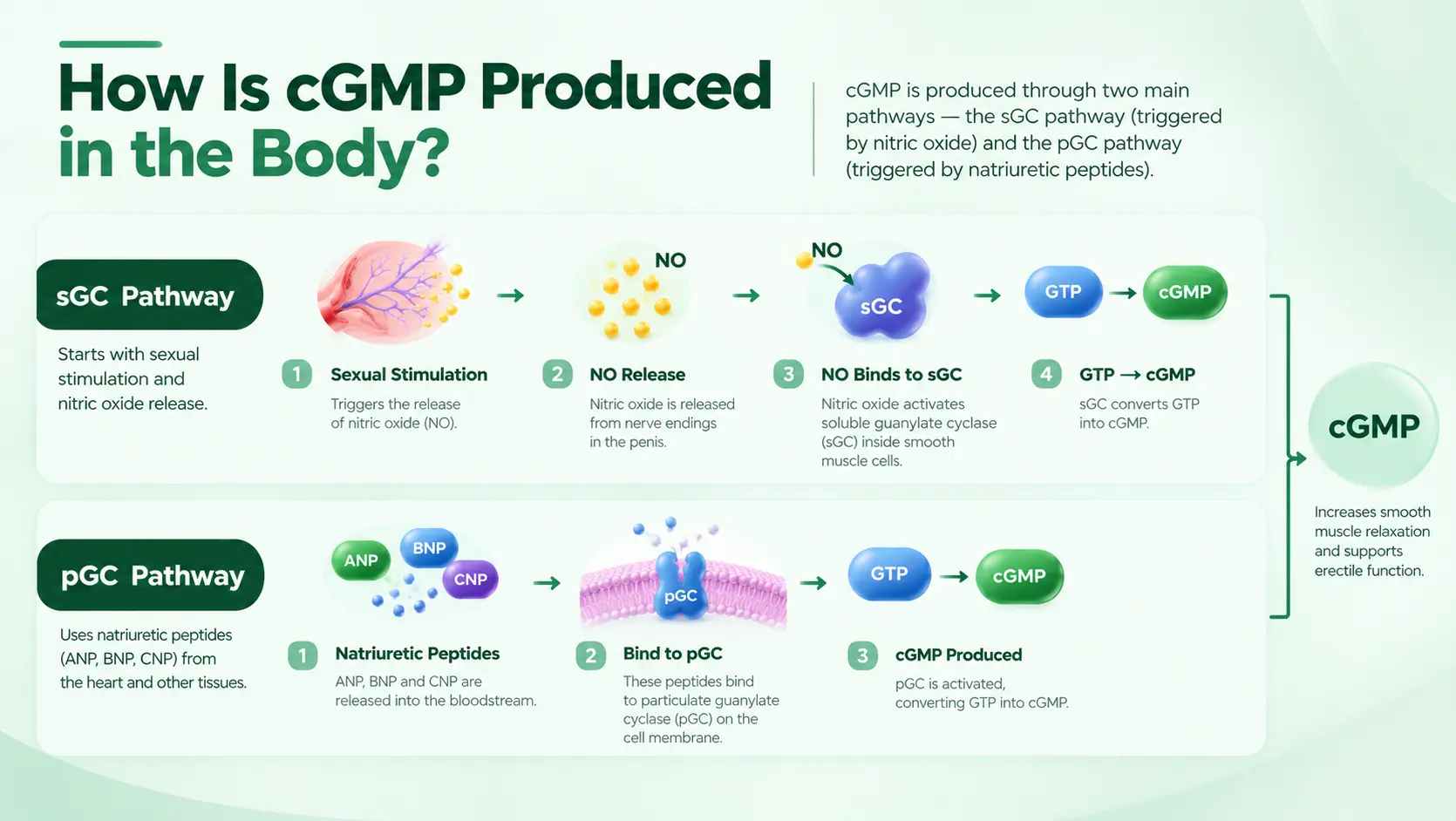
The natural erection process begins with sexual stimulation, which activates nerve signals from the brain and spinal cord to the penis. These nerve signals trigger the release of nitric oxide from nerve endings (nitrergic nerves) and from the endothelial cells lining the blood vessels within the penis. Once released, nitric oxide diffuses into the smooth muscle cells of the corpus cavernosum, the spongy erectile tissue that fills with blood during an erection. Inside these cells, NO binds to and activates soluble guanylyl cyclase, which then converts GTP into cGMP. The rising cGMP levels set off the chain of events that leads to erection.
How Does cGMP Help Produce an Erection?
cGMP produces an erection through the following sequence:
- Relaxation of smooth muscles in the corpus cavernosum: cGMP activates PKG, which lowers intracellular calcium in the smooth muscle cells of the corpus cavernosum, causing them to relax.
- Relaxation of penile blood vessels: The same cGMP-mediated relaxation occurs in the smooth muscle of the arteries supplying the penis, causing them to widen.
- Increased blood flow into erectile tissue: As the arteries widen, blood flow into the corpus cavernosum increases dramatically.
- Expansion of the corpora cavernosa: The incoming blood fills and expands the spongy erectile tissue.
- Compression of veins to maintain the erection: As the corpora cavernosa expand, they press against the outer sheath of the penis, compressing the veins that would normally drain blood away. This traps the blood inside, sustaining the erection.
This entire process depends on adequate cGMP levels. Without sufficient cGMP, the smooth muscle does not relax, blood flow does not increase, and an erection cannot occur or is not maintained.
What Happens When cGMP Levels Decrease?
cGMP levels in the erectile tissue naturally fall after sexual stimulation ends. This happens for two reasons: first, nitric oxide release declines, reducing new cGMP production; second, the enzyme phosphodiesterase type 5 (PDE5) continuously breaks down existing cGMP into inactive 5′-GMP. As cGMP levels drop:
- Smooth muscle contraction returns
- Blood flow into the erectile tissue decreases
- The veins that drain blood from the penis open
- Blood exits the erectile tissue
- The penis returns to its flaccid state
This is a normal part of the erection cycle. However, if cGMP levels are too low during sexual stimulation, the smooth muscle may not relax enough to allow sufficient blood flow, resulting in difficulty achieving or maintaining an erection. This is the mechanism behind many cases of erectile dysfunction.
What Is PDE5 and How Does It Affect cGMP?
Phosphodiesterase type 5 (PDE5) is the enzyme primarily responsible for breaking down cGMP in the erectile tissue of the penis. Understanding PDE5 is essential for understanding both normal erectile function and how ED medications work.
Definition of PDE5
PDE5 is a member of the phosphodiesterase enzyme family. Its specific job is to hydrolyse (break down) cGMP, converting it into inactive 5′-GMP. This breakdown terminates the cGMP signal and allows the smooth muscle to return to its contracted state.
Where PDE5 Is Found in the Body
PDE5 is the predominant phosphodiesterase in the corpus cavernosum, the erectile tissue of the penis. It is also found in other tissues, including the lungs, where it plays a role in regulating pulmonary blood vessel tone. The high concentration of PDE5 in the corpus cavernosum is what makes this enzyme the primary target for erectile dysfunction medications.
How PDE5 Breaks Down cGMP
PDE5 works by binding to cGMP at its catalytic site and cleaving the cyclic ring that gives cGMP its signalling properties. This converts cGMP into 5′-GMP, which is inactive and cannot activate PKG or any other downstream target. The breakdown product, 5′-GMP, does not participate in smooth muscle relaxation and is eventually recycled or cleared by the cell.
Why Regulating cGMP Breakdown Is Important
The balance between cGMP production (by guanylyl cyclase) and cGMP breakdown (by PDE5) determines how long and how strongly the cGMP signal persists. If PDE5 breaks down cGMP too quickly, the signal ends prematurely, and smooth muscle relaxation may not last long enough for a satisfactory erection. If PDE5 activity is reduced, cGMP persists longer, and the erection response is enhanced.
PDE5 Activity and Erectile Function
PDE5 activity is directly linked to erectile function. During sexual stimulation, cGMP is produced, and an erection develops. After stimulation ends, PDE5 breaks down the remaining cGMP, and the erection subsides. If PDE5 is overly active or if cGMP production is insufficient, the balance tips toward cGMP breakdown, and erectile function is impaired. This is why inhibiting PDE5 is an effective strategy for treating erectile dysfunction: it shifts the balance in favour of cGMP, allowing the natural erection mechanism to work more effectively.
cGMP Production vs cGMP Breakdown
It is important to distinguish between cGMP production and cGMP breakdown. Production is the creation of new cGMP by guanylyl cyclase, triggered by nitric oxide. Breakdown is the destruction of existing cGMP by PDE5. Erectile function depends on both: if production is low (due to insufficient NO), there is not enough cGMP to produce an erection, regardless of PDE5 activity. If breakdown is too fast (due to high PDE5 activity), even adequate cGMP production may not sustain an erection. PDE5 inhibitors address the breakdown side of the equation, but they only work when the production side is functional, which requires sexual stimulation and nitric oxide release.
How Do PDE5 Inhibitors Work by Affecting cGMP?
PDE5 inhibitors are the most widely used class of medications for erectile dysfunction. They work by targeting the cGMP pathway, specifically by slowing the breakdown of cGMP by the PDE5 enzyme. Understanding how they work requires understanding the difference between increasing cGMP production and slowing cGMP breakdown.
What Are PDE5 Inhibitors?
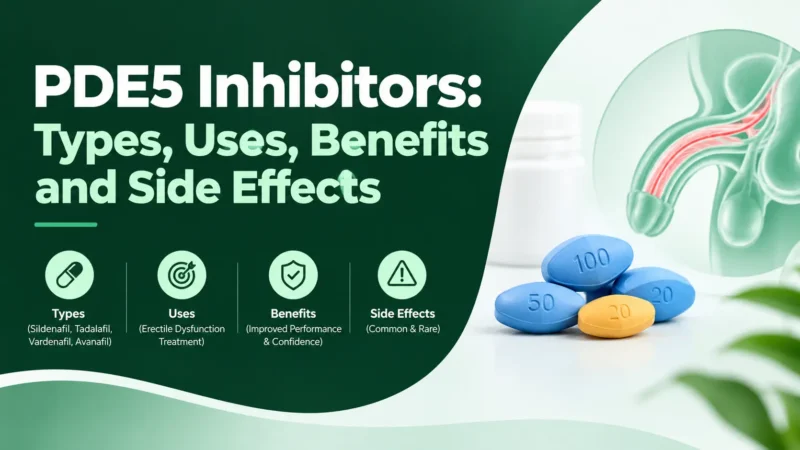
PDE5 inhibitors are a class of prescription medicines that block the action of the PDE5 enzyme. By doing so, they prevent the rapid breakdown of cGMP in the corpus cavernosum, allowing cGMP levels to remain higher for longer during sexual stimulation. This enhances the natural erection mechanism rather than replacing it. The four main PDE5 inhibitors are sildenafil, tadalafil, vardenafil and avanafil. All share the same basic mechanism of action but differ in their timing, duration and specific characteristics.
How Does Sildenafil Affect cGMP?
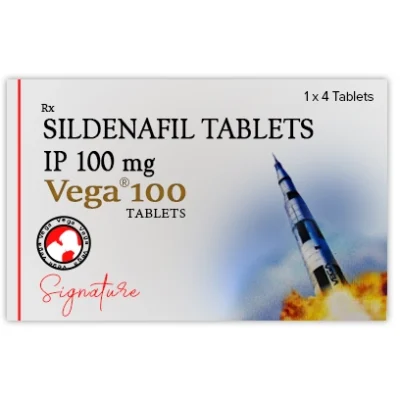
Sildenafil was the first PDE5 inhibitor approved for erectile dysfunction. It works by competitively binding to the catalytic site of PDE5, the same site where cGMP would normally bind and be broken down. By occupying this site, sildenafil prevents PDE5 from hydrolysing cGMP. As a result, cGMP produced during sexual stimulation accumulates and persists longer in the smooth muscle cells of the corpus cavernosum, enhancing smooth muscle relaxation and improving the erectile response. Sildenafil does not increase nitric oxide production or cGMP production directly; it only slows the breakdown of cGMP that has already been produced. This is why sexual stimulation is necessary for sildenafil to work: without sexual arousal and the resulting NO release, there is no cGMP for sildenafil to preserve.
How Does Tadalafil Affect cGMP?
Tadalafil works by the same mechanism as sildenafil: it inhibits PDE5 and prevents cGMP breakdown. The key difference is that tadalafil has a much longer duration of action. While sildenafil typically remains active for about 4 to 6 hours, tadalafil can support erectile function for up to 36 hours after a single dose. This does not mean a continuous erection for 36 hours; it means that during this window, the body’s natural response to sexual stimulation is enhanced. The longer duration of tadalafil is due to its slower clearance from the body and its longer binding to the PDE5 enzyme. Like all PDE5 inhibitors, tadalafil depends on the natural nitric oxide pathway and requires sexual stimulation to be effective.
Other PDE5 Inhibitors: Vardenafil and Avanafil
Vardenafil works by the same mechanism as sildenafil and tadalafil, inhibiting PDE5 to preserve cGMP levels. Its onset and duration are similar to sildenafil, with effects lasting approximately 4 to 5 hours.
Avanafil is a newer PDE5 inhibitor that also works by blocking PDE5 and preserving cGMP. It is distinguished by its rapid onset, often working within 15 to 30 minutes, and its relatively short duration of action.
All four medicines share the same fundamental mechanism: they inhibit PDE5, slow the breakdown of cGMP, and enhance the natural erection response during sexual stimulation. Their differences lie in onset time, duration, food interactions and side-effect profiles, not in their basic mechanism of action.
Do PDE5 Inhibitors Increase cGMP Production?
A common misconception is that PDE5 inhibitors increase cGMP production. They do not. PDE5 inhibitors work by slowing the breakdown of cGMP, not by increasing its production. cGMP production depends on the nitric oxide pathway: sexual stimulation triggers NO release, NO activates guanylyl cyclase, and guanylyl cyclase produces cGMP from GTP. PDE5 inhibitors have no effect on this production chain. What they do is prevent the PDE5 enzyme from breaking down the cGMP that has already been produced. This means PDE5 inhibitors are entirely dependent on the natural NO-cGMP pathway. Without sexual arousal and the resulting nitric oxide release, there is no cGMP being produced, and a PDE5 inhibitor has nothing to preserve. This is why PDE5 inhibitors do not automatically cause an erection and why sexual stimulation remains necessary for them to work.
What Is the Difference Between cGMP and cAMP?
cGMP and cAMP (cyclic adenosine monophosphate) are both cyclic nucleotide second messengers, meaning they carry signals inside cells. Despite their similarities, they differ in their chemical origin, the enzymes that produce them, and their primary physiological roles.
Comparison Table
| Feature | cGMP | cAMP |
|---|---|---|
| Full name | Cyclic guanosine monophosphate | Cyclic adenosine monophosphate |
| Main role | Intracellular signalling | Intracellular signalling |
| Produced from | GTP (guanosine triphosphate) | ATP (adenosine triphosphate) |
| Key enzyme | Guanylyl cyclase | Adenylyl cyclase |
| Primary activator | Nitric oxide and natriuretic peptides | G-protein coupled receptors and hormones |
| Key downstream target | Protein kinase G (PKG) | Protein kinase A (PKA) |
| Important functions | Smooth muscle relaxation, vascular signalling, platelet inhibition, erectile function | Metabolism, hormone signalling, cell regulation, gene transcription |
Similarities Between cGMP and cAMP
Both cGMP and cAMP are cyclic nucleotides, meaning they share a similar ring-shaped chemical structure. Both function as second messengers, relaying signals from outside the cell to targets inside it. Both activate protein kinases (PKG for cGMP, PKA for cAMP) that phosphorylate downstream target proteins. Both are broken down by phosphodiesterases, which terminate their signals. And both regulate a wide range of cellular activities, including smooth muscle tone, ion channel activity and gene expression.
Differences in Their Signalling Pathways
The key difference between cGMP and cAMP lies in how they are produced and what triggers them. cGMP is produced by guanylyl cyclase, activated by nitric oxide or natriuretic peptides, and primarily involved in smooth muscle relaxation and vascular function. cAMP is produced by adenylyl cyclase, typically activated by G-protein coupled receptors in response to hormones and neurotransmitters, and is more broadly involved in metabolic regulation, hormone signalling and cell growth. In smooth muscle, both cGMP and cAMP promote relaxation by lowering intracellular calcium, but they do so through different kinase pathways. cGMP activates PKG, while cAMP activates PKA, and each kinase phosphorylates a different set of target proteins.
What Happens When cGMP Signalling Does Not Work Properly?
When the cGMP signalling pathway is impaired, the body’s ability to regulate smooth muscle relaxation and blood flow is compromised. Several points in the pathway can break down:
Reduced Nitric Oxide Availability
If the cells that produce nitric oxide (endothelial cells and nerve endings) are not functioning properly, NO production falls. Without sufficient NO, soluble guanylyl cyclase is not activated, and cGMP production drops. This is one of the most common points of failure in the cGMP pathway and is often linked to cardiovascular risk factors such as high blood pressure, diabetes and smoking.
Impaired cGMP Production
Even if nitric oxide is available, the guanylyl cyclase enzyme itself may be damaged or dysfunctional. Oxidative stress and other cellular damage can impair the ability of sGC to produce cGMP, reducing the signalling molecule’s availability even when the trigger (NO) is present.
Increased PDE5 Activity or Excessive cGMP Breakdown
If PDE5 activity is elevated, cGMP is broken down faster than it is produced. This means that even with adequate NO release and guanylyl cyclase activity, cGMP levels may not rise sufficiently to produce the desired physiological effect. PDE5 is activated by phosphorylation and by cGMP binding to its allosteric sites, creating a negative feedback loop that can accelerate cGMP breakdown.
Reduced Smooth Muscle Relaxation
Any of the above disruptions lead to reduced smooth muscle relaxation. When cGMP levels are too low, PKG is not adequately activated, intracellular calcium does not fall sufficiently, and the smooth muscle remains partially contracted. In blood vessels, this means persistent vasoconstriction. In the penis, it means the corpus cavernosum does not relax enough to allow adequate blood flow for an erection.
Effects on Blood Vessel Function
Impaired cGMP signalling in blood vessels leads to reduced vasodilation, increased vascular resistance and potentially elevated blood pressure. Over time, chronic impairment of the NO-cGMP pathway contributes to endothelial dysfunction, a condition in which the inner lining of blood vessels cannot function properly, increasing the risk of atherosclerosis and cardiovascular disease.
Contribution to Erectile Dysfunction
In the penis, impaired cGMP signalling is a major contributor to erectile dysfunction. If NO release is insufficient, cGMP production is low, or PDE5 breaks down cGMP too quickly, the erectile tissue cannot relax enough to fill with blood, and an erection cannot be achieved or maintained. This is why PDE5 inhibitors, which slow cGMP breakdown, are effective for many men with ED: they address one point of failure in the pathway.
ED Has Multiple Underlying Causes
It is important to understand that erectile dysfunction can have multiple underlying causes beyond cGMP signalling. While the cGMP pathway is the final common pathway for erection, problems upstream can include cardiovascular disease, diabetes, neurological conditions, hormonal imbalances, psychological factors, medication side effects and lifestyle factors. Impaired cGMP signalling is often a consequence of these underlying conditions rather than the root cause. This is why ED treatment should consider the whole person, not just the cGMP pathway.
Does cGMP Have Other Functions Beyond Erectile Function?
While cGMP is best known for its role in erectile function, it is a versatile signalling molecule with important roles throughout the body. Because cGMP is produced in many different cell types and tissues, its functions extend far beyond the penis.
Cardiovascular System
In the cardiovascular system, cGMP is a key regulator of blood vessel tone. By promoting vasodilation, cGMP helps regulate blood pressure and ensures adequate blood flow to tissues. The nitric oxide-cGMP pathway in vascular smooth muscle is one of the body’s primary mechanisms for maintaining healthy blood pressure. cGMP also inhibits platelet aggregation, reducing the tendency of blood platelets to clump together and form clots. This contributes to healthy blood flow and reduces the risk of thrombosis.
Kidneys
In the kidneys, cGMP produced by particulate guanylyl cyclase in response to natriuretic peptides (ANP, BNP, CNP) helps regulate sodium and water balance. Natriuretic peptides are released by the heart in response to stretching of the heart chambers, signalling the kidneys to excrete more sodium and water. cGMP mediates this signalling, contributing to the regulation of blood volume and blood pressure. This pathway is part of the body’s system for maintaining fluid balance and preventing excessive fluid retention.
Nervous System
In the nervous system, cGMP participates in neuronal communication and cellular signalling. cGMP is produced in certain neurons and contributes to synaptic plasticity, the process by which connections between neurons are strengthened or weakened in response to activity. This is important for learning and memory. cGMP signalling in the brain also interacts with other signalling pathways, including the cAMP pathway, and contributes to the regulation of neurotransmitter release.
Eyes
In the eyes, cGMP plays a critical role in phototransduction, the process by which light is converted into electrical signals that the brain interprets as vision. In the rod and cone cells of the retina, cGMP keeps cation channels open in the dark, allowing sodium and calcium ions to flow into the cell. When light strikes the photoreceptor, it activates a cascade that lowers cGMP levels, causing the cation channels to close and the cell to hyperpolarise. This electrical signal is the basis of visual perception. cGMP in the retina is regulated by a specific phosphodiesterase (PDE6), which is distinct from the PDE5 found in erectile tissue.
Other Cellular Functions
Beyond the systems described above, cGMP has additional roles:
- Regulation of cell growth: cGMP can influence cell proliferation and differentiation, acting as a brake on excessive cell growth in some contexts.
- Cellular communication: cGMP participates in signalling between cells in various tissues, contributing to coordinated physiological responses.
- Smooth muscle activity in other organs: cGMP regulates smooth muscle tone in the gastrointestinal tract, the airways of the lungs and other organs where smooth muscle relaxation is important for normal function.
Factors That May Affect the Nitric Oxide-cGMP Pathway
The nitric oxide-cGMP pathway does not operate in isolation. Several factors can influence how well this pathway functions. It is important to understand these as factors that may influence the pathway, rather than factors that directly determine cGMP levels in every individual. The relationship between these factors and cGMP signalling is complex and varies from person to person.
Age-Related Changes in Vascular Function
As people age, the function of the endothelial cells that produce nitric oxide tends to decline. This can lead to reduced NO availability and consequently lower cGMP production. Age-related changes in blood vessel stiffness and smooth muscle responsiveness can also affect how well cGMP signalling works. These changes are part of the normal ageing process but can be influenced by lifestyle and overall health.
Cardiovascular Health
Cardiovascular health is closely linked to the NO-cGMP pathway. Conditions such as high blood pressure, atherosclerosis and high cholesterol can damage the endothelial cells that produce nitric oxide, reducing cGMP production. Conversely, healthy blood vessels with well-functioning endothelium tend to support robust cGMP signalling. Maintaining cardiovascular health through diet, exercise and medical care can help preserve the function of this pathway.
Diabetes and Metabolic Health
Diabetes can affect the NO-cGMP pathway in several ways. High blood glucose levels can damage blood vessels and nerves, reducing both NO production and the responsiveness of smooth muscle to cGMP. Diabetic neuropathy can impair the nerve signals that trigger NO release during sexual stimulation. Oxidative stress associated with diabetes can also damage the guanylyl cyclase enzyme. Good diabetes management and blood glucose control may help protect the pathway.
Smoking and Tobacco Exposure
Smoking is one of the most significant factors that can impair the NO-cGMP pathway. The chemicals in tobacco smoke damage endothelial cells, reduce nitric oxide production and increase oxidative stress. Smoking also promotes atherosclerosis, further compromising blood vessel function. Quitting smoking can improve endothelial function and support healthier cGMP signalling over time.
Endothelial Dysfunction
Endothelial dysfunction is a condition in which the endothelial cells lining the blood vessels do not function properly. This reduces the production of nitric oxide and impairs the ability of blood vessels to dilate. Endothelial dysfunction is a feature of several cardiovascular conditions and is one of the earliest signs of vascular disease. It directly affects the NO-cGMP pathway by reducing the trigger (NO) that initiates cGMP production.
Oxidative Stress
Oxidative stress is an imbalance between free radicals and antioxidants in the body. Excessive free radicals can damage the components of the NO-cGMP pathway, including nitric oxide itself (which is rapidly destroyed by reactive oxygen species), the guanylyl cyclase enzyme and the smooth muscle cells. Oxidative stress is associated with ageing, poor diet, smoking, chronic inflammation and several medical conditions. Reducing oxidative stress through lifestyle measures may help protect the pathway.
Conditions That Affect Nitric Oxide Availability
Any condition that reduces nitric oxide availability can affect the cGMP pathway. These include cardiovascular disease, diabetes, hypertension, hyperlipidaemia and chronic kidney disease. Each of these conditions can impair NO production or increase NO degradation, reducing the signal that triggers cGMP synthesis. Managing these underlying conditions through medical care and lifestyle changes may help support healthier cGMP signalling.
Can You Naturally Support Healthy cGMP Signalling?
While no lifestyle measure can guarantee increased cGMP levels or treat erectile dysfunction, several habits support overall vascular health and may help maintain the function of the NO-cGMP pathway. These measures work primarily by supporting endothelial function and reducing factors that damage the pathway.
Maintaining Cardiovascular Health
Cardiovascular health is the foundation of healthy cGMP signalling. Regular check-ups, managing blood pressure and cholesterol, and addressing any cardiovascular conditions with your doctor all contribute to maintaining the endothelial function that produces nitric oxide.
Regular Physical Activity
Regular exercise improves endothelial function and increases the body’s natural production of nitric oxide. Aerobic exercise, such as walking, swimming or cycling, helps keep blood vessels healthy and supports the NO-cGMP pathway. Exercise also helps manage weight, blood pressure and blood glucose, all of which indirectly support cGMP signalling.
Following a Balanced Diet
A balanced diet rich in fruits, vegetables, whole grains and lean protein supports vascular health. Foods naturally high in nitrates, such as leafy greens and beetroot, may support nitric oxide production. A diet low in processed foods, saturated fats and added sugars helps maintain healthy blood vessels and reduces oxidative stress.
Managing Blood Pressure and Blood Glucose
Keeping blood pressure and blood glucose within healthy ranges protects the endothelial cells that produce nitric oxide. If you have hypertension or diabetes, working with your doctor to manage these conditions is one of the most effective ways to support the NO-cGMP pathway.
Avoiding Smoking
Quitting smoking is one of the most impactful steps you can take to protect the NO-cGMP pathway. Smoking damages endothelial cells, reduces nitric oxide production and increases oxidative stress. The benefits of quitting begin quickly and continue to accumulate over time.
Maintaining a Healthy Body Weight
Excess body weight is associated with increased oxidative stress, inflammation and endothelial dysfunction. Maintaining a healthy body weight through diet and exercise supports vascular health and may help preserve cGMP signalling.
Managing Underlying Medical Conditions
Any condition that affects blood vessels, nerves or hormones can influence the NO-cGMP pathway. Working with your doctor to manage conditions such as diabetes, hypertension, high cholesterol and sleep apnoea helps protect the pathway and overall vascular health.
Important note: Lifestyle measures support overall vascular health but are not guaranteed to increase cGMP or treat erectile dysfunction. If you are experiencing erectile dysfunction, speak with a healthcare professional for a proper evaluation and treatment plan. ED can be a sign of underlying cardiovascular disease or other medical conditions that require medical attention.
cGMP and Erectile Dysfunction: Important Things to Understand
cGMP is essential for normal erectile physiology. The entire process of achieving and maintaining an erection depends on adequate cGMP levels in the corpus cavernosum. When the NO-cGMP pathway functions well, sexual stimulation leads to NO release, cGMP production, smooth muscle relaxation, increased blood flow and erection.
Why cGMP Is Essential for Erections
Without cGMP, the smooth muscle in the erectile tissue cannot relax, blood vessels cannot widen, and blood cannot fill the corpus cavernosum. cGMP is the final signalling molecule that translates sexual stimulation into the physical response of erection. It is the link between the nervous system and the vascular system in the penis.
How Impaired NO Signalling Affects Erections
If nitric oxide signalling is impaired, cGMP production falls, and the erection response is weakened or absent. This can happen due to endothelial dysfunction, nerve damage, diabetes, cardiovascular disease or other factors that reduce NO availability. When NO signalling is the problem, PDE5 inhibitors may be less effective because they depend on the NO pathway to produce cGMP in the first place.
How PDE5 Inhibitors Support the Natural Erection Mechanism
PDE5 inhibitors do not replace the natural erection mechanism; they support it. By slowing the breakdown of cGMP, they allow the cGMP produced during sexual stimulation to persist longer and reach higher levels, enhancing the natural response. They work with the body’s own pathway, not instead of it. This is why they are effective for many men with ED but not for everyone: they require a functioning NO-cGMP pathway to work.
Why Sexual Stimulation Remains Necessary
Because PDE5 inhibitors only slow cGMP breakdown and do not increase cGMP production, they require sexual stimulation to be effective. Sexual arousal triggers the release of nitric oxide, which triggers cGMP production. Without this trigger, there is no cGMP for the PDE5 inhibitor to preserve. This is a fundamental characteristic of all PDE5 inhibitors and is sometimes misunderstood. These medicines do not cause spontaneous erections; they enhance the body’s natural response to sexual stimulation.
Why ED Treatment Should Consider Underlying Health Conditions
Erectile dysfunction is often a symptom of an underlying health condition, not a standalone problem. Cardiovascular disease, diabetes, hypertension, hormonal imbalances, neurological conditions and psychological factors can all contribute to ED. Treating only the cGMP pathway with PDE5 inhibitors without addressing these underlying conditions may provide temporary improvement but does not address the root cause. A comprehensive approach to ED treatment considers the whole person, including cardiovascular health, metabolic health, mental health and lifestyle.
PDE5 Inhibitors Are Not Suitable for Everyone
PDE5 inhibitors are not appropriate for everyone. In particular, they are contraindicated for people taking nitrate medications (such as nitroglycerin for chest pain) because the combination can cause a potentially dangerous drop in blood pressure. They are also not suitable for people taking riociguat (a medicine for pulmonary hypertension) or for those with certain cardiovascular conditions. Always consult a healthcare professional before starting any ED medication to ensure it is safe for you based on your full medical history and current medicines.
Medical Disclaimer
This article is for educational purposes only and does not replace professional medical advice, diagnosis or treatment. The information provided here is intended to help readers understand the biology of cGMP and its role in the body. It is not a substitute for individualised medical care. If you have questions about erectile dysfunction, cardiovascular health or any condition discussed in this article, please consult a qualified healthcare professional. Always seek the advice of your doctor or other qualified health provider with any questions you may have regarding a medical condition. Never disregard professional medical advice or delay seeking it because of something you have read in this educational article.
Was this article helpful?
Your feedback helps us improve our health guides.
Quick Answers to Your Questions
Find helpful information about our products, ordering process, delivery and more.
01 What does cGMP stand for?
cGMP stands for cyclic guanosine monophosphate. It is a cyclic nucleotide that functions as a second messenger inside cells, carrying signals that regulate smooth muscle relaxation, blood vessel widening and erectile function.
02 What is cGMP in simple terms?
In simple terms, cGMP is a molecule produced inside cells that tells smooth muscles to relax and blood vessels to widen. It is the molecule that enables blood to flow into the penis during sexual arousal, producing an erection.
03 What is the main function of cGMP?
The main function of cGMP is to act as a second messenger that transmits signals from outside the cell to targets inside the cell. Its most well-known functions are promoting smooth muscle relaxation, regulating blood vessel diameter, controlling blood flow and enabling erectile function.
04 How is cGMP produced in the body?
cGMP is produced by enzymes called guanylyl cyclases, which convert guanosine triphosphate (GTP) into cGMP. There are two main pathways: soluble guanylyl cyclase, activated by nitric oxide, and particulate guanylyl cyclase, activated by natriuretic peptides from the heart.
05 What is the relationship between nitric oxide and cGMP?
Nitric oxide (NO) is the primary trigger for cGMP production in blood vessels and erectile tissue. NO is produced during sexual stimulation and activates soluble guanylyl cyclase, which then produces cGMP. Without NO, cGMP production in this pathway does not occur.
06 How does cGMP help produce an erection?
cGMP relaxes the smooth muscle in the corpus cavernosum and the blood vessels of the penis. This relaxation allows blood to flow into the erectile tissue, which expands and compresses the veins that drain blood, trapping it inside and producing an erection.
07 What is the difference between cGMP and cAMP?
cGMP is produced from GTP by guanylyl cyclase and primarily regulates smooth muscle relaxation and vascular function. cAMP is produced from ATP by adenylyl cyclase and primarily regulates metabolism, hormone signalling and cell regulation. Both are second messengers but operate through different pathways.
08 What enzyme breaks down cGMP?
The main enzyme that breaks down cGMP in erectile tissue is phosphodiesterase type 5 (PDE5). PDE5 converts cGMP into inactive 5'-GMP, terminating the cGMP signal and allowing smooth muscle to return to its contracted state.
09 How does PDE5 affect cGMP?
PDE5 breaks down cGMP by cleaving its cyclic ring, converting it into inactive 5'-GMP. This reduces cGMP levels and terminates the signalling that produces smooth muscle relaxation. Higher PDE5 activity leads to faster cGMP breakdown and shorter-lasting relaxation.
10 Does sildenafil increase cGMP levels?
Sildenafil does not directly increase cGMP production. It works by inhibiting PDE5, the enzyme that breaks down cGMP. By slowing cGMP breakdown, sildenafil allows cGMP produced during sexual stimulation to accumulate and persist longer, which enhances the erectile response.
11 Does tadalafil work by increasing cGMP?
No. Tadalafil works by the same mechanism as sildenafil: it inhibits PDE5 and slows the breakdown of cGMP. It does not increase cGMP production. Tadalafil differs from sildenafil in its longer duration of action, not in its mechanism. Both depend on the natural nitric oxide pathway to produce cGMP.
12 Do PDE5 inhibitors produce erections without sexual stimulation?
No. PDE5 inhibitors require sexual stimulation to work. They only slow the breakdown of cGMP that is produced during sexual arousal. Without sexual stimulation, there is no nitric oxide release and no cGMP production, so a PDE5 inhibitor has nothing to preserve and cannot produce an erection on its own.
13 Can low cGMP contribute to erectile dysfunction?
Yes. If cGMP levels are too low in the erectile tissue, the smooth muscle cannot relax sufficiently to allow blood to fill the corpus cavernosum, resulting in difficulty achieving or maintaining an erection. Low cGMP can result from reduced nitric oxide production, impaired guanylyl cyclase activity or excessive PDE5 breakdown.
14 Does cGMP affect blood pressure?
Yes. cGMP promotes vasodilation (widening of blood vessels) by relaxing vascular smooth muscle. Wider blood vessels reduce resistance to blood flow, which helps lower blood pressure. The NO-cGMP pathway is one of the body's important mechanisms for regulating blood pressure.
15 Can lifestyle changes support healthy cGMP signalling?
Lifestyle changes that support cardiovascular health, such as regular exercise, a balanced diet, not smoking and managing blood pressure and blood glucose, may help maintain the function of the NO-cGMP pathway. However, lifestyle measures are not guaranteed to increase cGMP or treat erectile dysfunction. If you are experiencing ED, consult a healthcare professional.