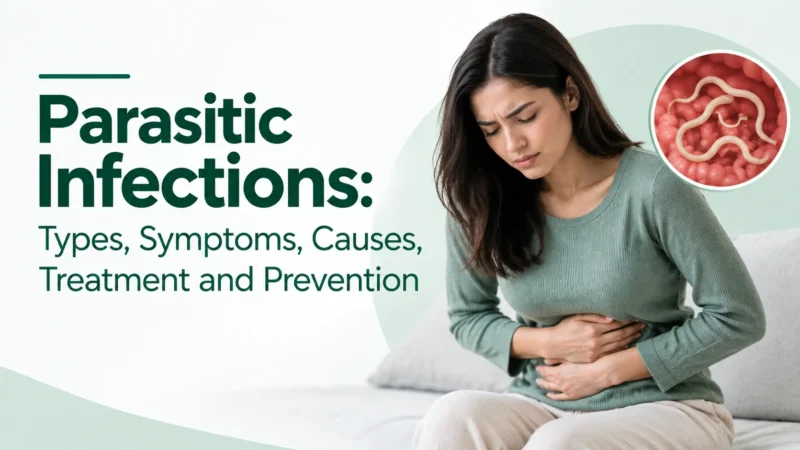


Parasitic infections happen when organisms that live on or inside a human host cause illness. These parasites can affect the intestines, skin, blood, and other parts of the body. Symptoms depend on the type of parasite and may range from mild itching or digestive discomfort to more serious illness. Some infections are common in Australia, while others are more likely to occur after travel to affected regions. This guide explains the main types of parasites, how to recognise symptoms, how infections spread, how doctors diagnose and treat them, and how to prevent them.
What Is a Parasitic Infection?
A parasite is an organism that lives on or inside another organism, called the host, and gets its food from or at the expense of the host. When a parasite causes harm to the host, the result is a parasitic infection. Parasites can affect many parts of the body, including the digestive system, the skin, the blood, and other tissues.
Parasitic infections differ from infections caused by bacteria or viruses. Bacteria and viruses typically multiply inside the body and cause illness through direct tissue damage or toxins. Parasites, on the other hand, are larger organisms that often go through complex life cycles, sometimes moving between different parts of the body or even between different hosts before causing disease.
Some parasitic infections produce clear and noticeable symptoms, while others may remain asymptomatic for long periods. Whether symptoms appear depends on the type of parasite, the area of the body affected, the number of parasites present, and the person’s immune system. This is why a parasitic infection cannot be diagnosed based on symptoms alone.
What Are the Main Types of Parasites?
Parasites that affect humans are generally grouped into three main categories. Each group behaves differently and causes different types of illness.
Protozoa
Protozoa are single celled organisms that can multiply inside the human body. They may affect the intestines, the blood, or other tissues depending on the species. Giardia is a well known example. It causes giardiasis, an infection of the digestive system that spreads through contaminated water or food. Other protozoa can cause more serious illnesses, particularly in people with weakened immune systems.
Helminths (Parasitic Worms)
Helminths are parasitic worms that live inside the body. They are larger than protozoa and do not multiply inside the human body in the same way, but they can cause significant health problems. Common examples include threadworms, tapeworms, and hookworms. Some helminths live in the intestines, while others can migrate to tissues or organs. The type of worm and its life cycle determine where it settles and what symptoms it causes.
Ectoparasites
Ectoparasites are parasites that live on the surface of the body rather than inside it. They include mites that cause scabies and lice that infest the hair or body. These parasites are often spread through close personal contact and can cause intense itching, rashes, and skin irritation. While they do not usually cause internal illness, they can lead to secondary skin infections if scratching damages the skin.
What Are the Most Common Parasitic Infections?
Some parasitic infections are common in Australia, while others are more likely to be encountered during overseas travel. Knowing the difference helps you understand your risk and when to seek advice.
Scabies
Scabies is caused by a tiny mite that burrows into the skin. The main symptom is intense itching, which is often worse at night, along with a rash that typically appears between the fingers, on the wrists, or in other skin folds. Scabies spreads through prolonged skin to skin contact with an affected person, which is why it can pass through households and close communities. Treatment involves medicated creams or lotions applied to the whole body, and close contacts often need treatment at the same time to prevent reinfection.
Threadworm Infections
Threadworms, also called pinworms, are one of the most common parasitic infections in Australian children. The adult worm lives in the intestine and lays eggs around the anus at night, causing itching. Children often scratch the area and transfer eggs to their fingers, which can then spread to surfaces, toys, or other people. Household transmission is common, and treating the whole household at the same time is often recommended. Threadworm infections are generally not serious but can be very uncomfortable and disruptive to sleep.
Tapeworm and Other Intestinal Worm Infections
Tapeworms and other intestinal worms can enter the body through contaminated food or water. Eating undercooked meat, particularly pork or beef from infected animals, is one route of exposure. Symptoms vary depending on the worm species. Some people may experience abdominal discomfort, weight loss, or digestive changes, while others may have no symptoms at all. Diagnosis usually requires a stool test, and treatment involves specific antiparasitic medicines chosen based on the identified worm.
Giardiasis
Giardiasis is an infection caused by the Giardia parasite, which is found in contaminated water. It can be acquired from drinking untreated water, swimming in contaminated pools or lakes, or through poor hand hygiene. Symptoms include diarrhoea, bloating, abdominal cramps, and nausea. The infection can last for weeks if not treated. Diagnosis is usually made through a stool test, and treatment involves prescription antiparasitic medicine.
Toxoplasmosis
Toxoplasmosis is caused by a parasite called Toxoplasma gondii. It can be acquired through contact with cat faeces, eating undercooked meat, or contaminated soil. Many people who become infected have no symptoms at all, and healthy adults usually do not become seriously ill. However, toxoplasmosis can be dangerous during pregnancy because it may affect the developing baby, and it can cause serious illness in people with weakened immune systems. Pregnant women and immunocompromised individuals should take particular care with food safety and hygiene.
Malaria
Malaria is a serious parasitic infection transmitted by infected mosquitoes. It is not a common locally acquired infection throughout Australia, but it is an important consideration for people who have travelled to affected regions, including parts of Africa, Asia, and South America. Symptoms include fever, chills, headache, and flu like illness, and they can appear weeks or even months after exposure. Malaria requires urgent medical assessment and treatment. If you develop fever or flu like symptoms after returning from a malaria risk area, seek medical care immediately and tell your doctor about your travel history.
What Are the Symptoms of a Parasitic Infection?
There is no single symptom that confirms a parasitic infection. The symptoms depend entirely on the type of parasite and the part of the body it affects. Many symptoms of parasitic infections can also be caused by other conditions, which is why medical assessment and testing are important.
Common Digestive Symptoms
When parasites affect the intestines, symptoms may include:
- Diarrhoea
- Abdominal pain or cramps
- Bloating and nausea
- Changes in appetite
- Unexplained weight loss in some cases
These symptoms can overlap with many other digestive conditions, including food intolerances, bacterial infections, and inflammatory bowel disease. Digestive symptoms alone do not prove a parasitic infection.
Skin Symptoms
When parasites affect the skin, symptoms may include:
- Persistent itching
- Rashes or irritated skin
- Visible burrows or bite like marks in some infestations
Scabies and lice are common causes of skin related parasitic symptoms. However, many non parasitic conditions, including eczema, allergies, and contact dermatitis, can cause similar symptoms.
General Symptoms
Some parasitic infections cause symptoms that affect the whole body. These may include:
- Fatigue or weakness
- Fever in certain infections
- Other symptoms specific to the affected organ
For example, malaria causes cycles of fever and chills, while intestinal parasites may cause ongoing fatigue due to nutrient loss over time.
Can a Parasitic Infection Cause No Symptoms?
Yes. Some parasitic infections produce few or no noticeable symptoms, particularly in healthy adults. A person may carry a parasite without realising it, and symptoms may only appear if the immune system is weakened or if the parasite population grows large enough to cause problems. This is why symptoms alone cannot reliably identify a parasite, and laboratory tests are often needed for a definite diagnosis.
How Do Parasitic Infections Spread?
Parasites spread in different ways depending on the species. Understanding how transmission occurs can help you take practical steps to reduce your risk.
Contaminated Food and Water
Many parasitic infections spread through contaminated food or water. Drinking untreated water from streams or lakes, eating food washed in contaminated water, or consuming undercooked meat can expose you to parasites such as Giardia, tapeworms, and Toxoplasma. Food safety and water precautions are among the most effective ways to prevent these infections.
Contaminated Hands and Surfaces
Some parasites, particularly threadworms, spread through contaminated hands and shared surfaces. Eggs can transfer from fingers to toys, bedding, or household items, where they can survive for a period. Good hand hygiene, especially after using the toilet and before eating, helps reduce this type of transmission.
Direct Skin Contact
Scabies and lice spread through close personal contact. Scabies requires prolonged skin to skin contact for transmission, while lice can also spread through shared items such as combs, hats, or bedding. Treating affected individuals and their close contacts at the same time helps prevent ongoing transmission.
Soil Exposure
Certain parasites, including hookworms, can enter the body through the skin when a person walks barefoot on contaminated soil. The larvae penetrate the skin and migrate through the body. Wearing appropriate footwear, particularly in areas where sanitation may be limited, helps reduce this risk.
Insect Bites
Some parasites are transmitted by insects. Malaria is the most well known example, transmitted by infected mosquitoes. Other parasites may be spread by different insect vectors. Preventing insect bites through repellents, protective clothing, and mosquito nets is an important prevention measure, particularly when travelling.
Travel and Environmental Exposure
Travel can change your exposure risk significantly. Visiting areas with different sanitation standards, drinking untreated water, swimming in certain lakes or rivers, or spending time in tropical climates can all increase the likelihood of encountering parasites. Being aware of the specific risks associated with your destination helps you take the right precautions before and during travel.
How Are Parasitic Infections Diagnosed?
Diagnosing a parasitic infection requires a medical assessment. Treatment should not be started without knowing what parasite, if any, is causing the problem, because different parasites require different treatments.
Medical History and Symptom Assessment
Your doctor will ask about your symptoms, when they started, and how long you have had them. They will also ask about recent travel, exposure to untreated water, food history, contact with animals, skin changes, and any known exposure to people with similar symptoms. This information helps guide which tests are appropriate.
Stool Tests
Stool tests are commonly used to identify intestinal parasites. A small sample of stool is sent to a laboratory where it is examined for parasites, eggs, or larvae. Depending on the suspected parasite, more than one sample may be needed because parasites are not always present in every stool sample.
Blood Tests
Blood tests can help diagnose certain parasitic infections, particularly those that affect tissues or the blood rather than the intestines. For example, malaria is diagnosed through a blood test that identifies the parasite in red blood cells. Blood tests may also detect antibodies to certain parasites, indicating a current or past infection.
Skin Examination and Other Tests
For skin infestations such as scabies, a doctor may examine the skin and look for burrows or characteristic rashes. In some cases, a skin scraping may be taken to look for mites or their eggs under a microscope. For infections affecting other organs, additional tests such as imaging or tissue biopsies may be needed.
The appropriate test depends on the suspected parasite. There is no single test that detects every parasitic infection, which is why a proper medical assessment is essential before testing.
How Are Parasitic Infections Treated?
Treatment for parasitic infections depends on the identified parasite, the affected body area, and the person’s overall health. There is no universal treatment that works for all parasites.
Antiparasitic Medicines
Different antiparasitic medicines target different parasites. The right medicine depends on the specific diagnosis, and treatment should be selected by a qualified healthcare professional. Some medicines work against intestinal worms, others against protozoa, and others against tissue parasites. Using the wrong medicine will not help and may cause unnecessary side effects.
Treatment for Skin Infestations
Scabies is typically treated with a medicated cream or lotion applied to the entire body from the neck down and left on for a specified period before washing off. Close contacts are usually treated at the same time, even if they do not have symptoms, to prevent reinfection. Lice are treated with topical preparations designed for the affected area, and household items such as bedding and combs may need to be cleaned.
Treating Intestinal Parasites
Treatment for intestinal parasites varies by organism. Threadworms can often be treated with a single dose of antiparasitic medicine, sometimes repeated after a couple of weeks. Tapeworms and other intestinal worms require specific medicines chosen based on the worm identified. Treatment is usually more effective when the diagnosis is confirmed through testing rather than guessed based on symptoms alone.
Preventing Reinfection
After treatment, preventing reinfection is just as important as the treatment itself. This may involve treating household contacts, washing bedding and clothing in hot water, improving hand hygiene, and addressing environmental factors that contributed to the original infection. For some infections, a follow up test may be recommended to confirm the parasite has been cleared.
Why Self Medication Can Be Risky
Self medicating for a suspected parasitic infection is risky for several reasons. Medicines are not interchangeable across parasites, and taking the wrong one may not treat the actual infection while delaying the correct diagnosis. Unnecessary treatment can also cause side effects and may make it harder to interpret future test results. If you suspect you have a parasitic infection, see a doctor for proper diagnosis and treatment rather than guessing or using leftover medicines.
How Can You Prevent Parasitic Infections?
Prevention is always better than treatment. Most parasitic infections can be avoided with practical, everyday habits.
Practise Good Hand Hygiene
Wash your hands thoroughly with soap and water after using the toilet, changing nappies, handling animals, gardening, and before preparing or eating food. Proper handwashing means washing for at least 20 seconds, covering all surfaces of the hands, and drying them completely. Hand sanitiser can help when soap and water are not available, but it is not a substitute for proper handwashing in all situations.
Handle Food Safely
Wash fresh produce thoroughly under running water before eating or cooking. Prevent cross contamination by using separate cutting boards for raw meat and vegetables. Cook meat to the recommended temperature, particularly pork and beef, to kill any parasites that may be present. Avoid eating raw or undercooked meat, especially when travelling.
Drink Safe Water
In Australia, tap water is generally safe to drink. However, when travelling or spending time outdoors, avoid drinking untreated water from streams, lakes, or unknown sources. Boil water for at least one minute, use a water filter rated for parasites, or drink sealed bottled water. Avoid swallowing water while swimming in pools, lakes, or rivers.
Wear Appropriate Footwear
Some parasites can enter the body through the skin of the feet when walking barefoot on contaminated soil. Wearing shoes, particularly in areas where sanitation may be limited or where soil may be contaminated, helps protect against these parasites. This is especially important when travelling in tropical or subtropical regions.
Reduce Skin to Skin Transmission
For parasites like scabies and lice that spread through close contact, avoiding prolonged skin contact with affected individuals and not sharing personal items such as clothing, towels, or combs helps reduce transmission. If someone in your household has scabies or lice, follow the treatment and cleaning instructions carefully to prevent spread.
Take Travel Precautions
Before travelling, check the health risks associated with your destination. If you are visiting a malaria risk area, your doctor may recommend antimalarial medicine, insect repellent, and mosquito nets. Be cautious with food and water in areas where sanitation standards differ from what you are used to. Seek pre travel medical advice well before your trip so you have time to get any recommended vaccinations or medicines.
When Should You See a Doctor?
Many mild parasitic infections resolve with proper treatment, but some situations call for medical attention. See a doctor if you experience:
- Persistent or recurring diarrhea
- Unexplained weight loss
- Ongoing abdominal pain or digestive problems
- Persistent or worsening itching, rash, or skin changes
- Symptoms following overseas travel
- Suspected infection during pregnancy or in someone with weakened immunity
Some symptoms need urgent medical skin care. Seek emergency attention for severe abdominal pain, significant dehydration, confusion, difficulty breathing, or other serious symptoms. If you develop fever or flu like symptoms after returning from a malaria risk area, seek urgent medical assessment and mention your travel history immediately. Malaria can progress quickly and early treatment is critical.
Conclusion: Understand the Cause Before Choosing Treatment
Parasitic infections come in many forms, from common skin infestations like scabies to intestinal infections like threadworms and giardiasis, to travel related illnesses like malaria. Each parasite spreads differently, causes different symptoms, and requires a specific treatment. There is no single medicine, test, or prevention strategy that covers all of them.
If you suspect you have a parasitic infection, the most important step is to see a doctor for proper assessment and testing rather than guessing or self medicating. In the meantime, good hand hygiene, safe food and water practices, appropriate footwear, and travel precautions remain your best protection against most parasitic infections. Prevention is always simpler, safer, and more effective than treating an infection after it has taken hold.
Medical Disclaimer
This article is provided for general educational purposes only and does not replace professional medical advice. Always consult a qualified healthcare professional before starting, stopping, or changing any treatment. This article does not constitute medical advice, diagnosis, or treatment. Individual circumstances vary, and the information in this guide should not be used as a substitute for personalised medical care.
Was this article helpful?
Your feedback helps us improve our health guides.
Quick Answers to Your Questions
Find helpful information about our products, ordering process, delivery and more.
01 What are the first signs of a parasitic infection?
Early signs vary depending on the parasite. Intestinal parasites may cause diarrhoea, abdominal pain, or bloating. Skin parasites like scabies cause itching and rashes. Some infections cause fatigue, fever, or no symptoms at all. Because these signs overlap with many other conditions, testing is needed for a definite diagnosis.
02 Can you have a parasitic infection without symptoms?
Yes. Some parasitic infections produce few or no noticeable symptoms, particularly in healthy adults. A person may carry a parasite without knowing it, and symptoms may only appear if the immune system weakens or the parasite population grows. This is why laboratory tests are often needed even when symptoms are mild.
03 How do you know if you have parasites?
You cannot know for certain based on symptoms alone. A doctor will consider your symptoms, exposure history, travel, and other risk factors, then order specific tests such as stool tests, blood tests, or skin examinations. The results, combined with your history, help confirm whether a parasite is present.
04 Are parasitic infections contagious?
Some are and some are not. Scabies and lice spread through close personal contact. Threadworms spread through contaminated hands and surfaces. Other infections require contaminated food or water, soil exposure, or an insect bite. Not every parasitic infection passes from person to person, and the transmission route depends on the parasite.
05 Can parasites cause skin rashes and itching?
Yes. Ectoparasites such as scabies mites and lice cause itching, rashes, and skin irritation. However, many non parasitic conditions can cause similar symptoms, including eczema, allergies, and contact dermatitis. A skin examination by a doctor can help determine whether a parasite is responsible.
06 How do doctors test for parasites?
Doctors use different tests depending on the suspected parasite. Stool tests identify intestinal parasites, blood tests detect certain tissue or blood parasites, and skin examinations help diagnose ectoparasites. There is no single test for all parasites, so the right test is chosen based on your symptoms and history.
07 How are parasitic infections treated?
Treatment depends on the parasite and the area of the body affected. Antiparasitic medicines are specific to particular parasites, and skin infestations may require topical treatments. A doctor selects the appropriate treatment based on the diagnosis. Self medication is not recommended because the wrong medicine may not work and could cause harm.
08 Can parasitic infections come back?
Yes. Reinfection can occur if the original source of exposure has not been addressed, if treatment was incomplete, or if close contacts were not treated at the same time. Following your doctor's instructions, taking the full course of treatment, and addressing environmental factors help reduce the chance of recurrence.
09 When should you see a doctor for a suspected parasite infection?
See a doctor if you have persistent digestive symptoms, unexplained weight loss, ongoing skin itching or rash, symptoms after travel, or if you are pregnant or have a weakened immune system. Fever or flu like illness after visiting a malaria risk area needs urgent assessment.